Food and training

Nutrition Guidance

Eat well from your own kitchen

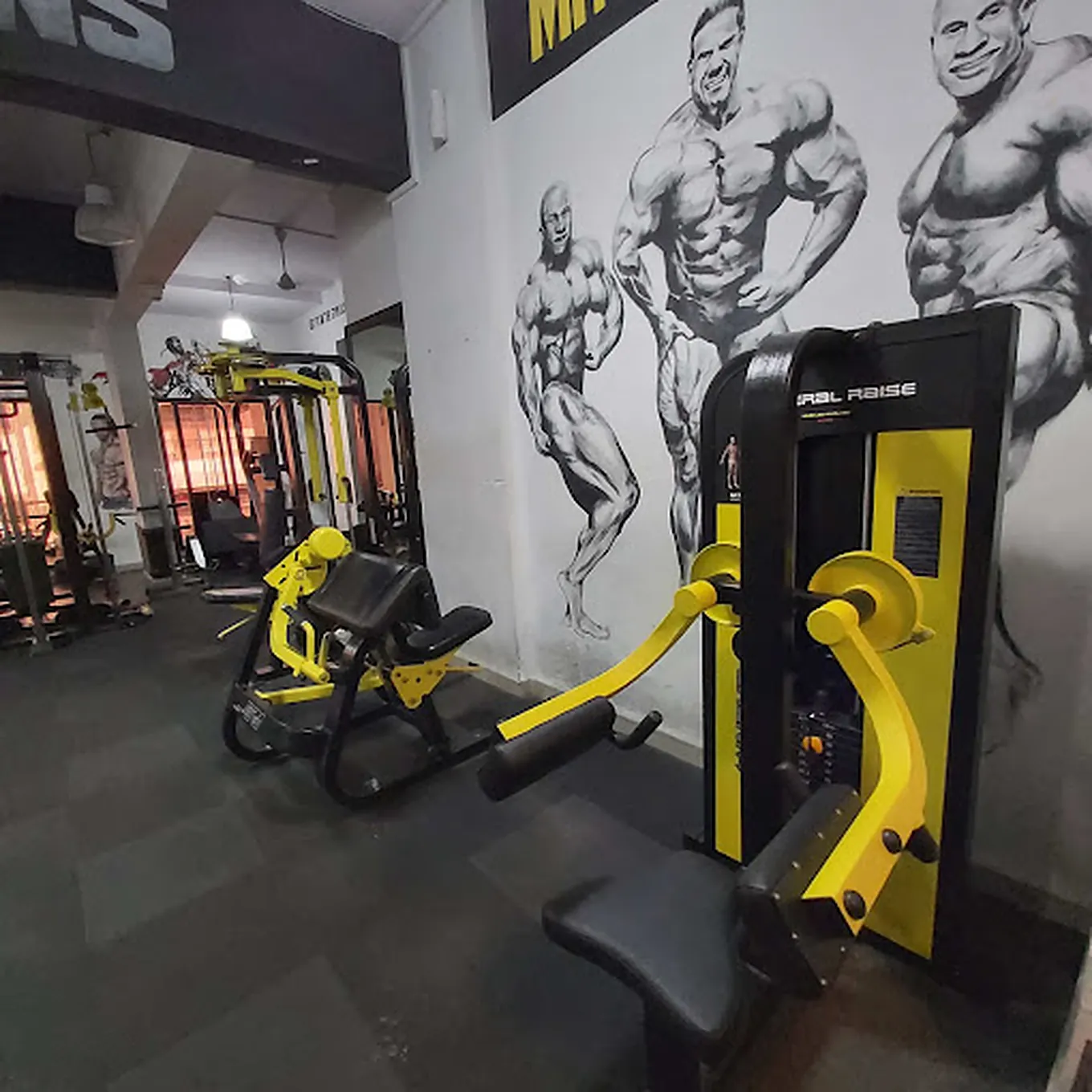
Preacher curl and arm machines on the strength floor at SPARTANS
  1. 1What you eat now
  2. 2Your plate
  3. 3Meal timing
  4. 4Small changes week by week

Before step one

Who nutrition guidance is for

Most people who walk into SPARTANS ask about workouts first. Food comes up a few weeks later, usually when the scale has not moved or the energy dips by evening. The truth is that what you eat at home decides a big part of your results. You do not need imported foods or a separate kitchen. Dal, roti, rice, sabzi, curd, eggs, paneer, chana and chicken can do the job if the portions and timing are right. We help you work with the food your family already cooks.

Who it is for

  • Members who train regularly but are not sure how much protein or food they actually need.
  • Vegetarians who want enough protein from dal, paneer, curd, sprouts and chana without relying on powders.
  • Office-goers who eat lunch from a dabba or canteen and then snack through the evening.
  • Anyone confused by diet advice on social media who wants plain guidance based on home food.
  • People heading into festival or wedding season who want to enjoy it without losing their routine.

Step by step

Your food plan, step by step

Four steps for the first month, starting from what your family already cooks.

  • With us on the floor
  • In your kitchen

How the day's calories split

How the day's calories splitWaffle chart of 100 squares, one square for each percent of the day's calories: Protein 25 squares, Carbs 50 squares, Fat 25 squares.
  • 25%Protein
  • 50%Carbs
  • 25%Fat

1 square = 1% of the day's calories. The same split works for the vegetarian and the non-vegetarian menu.

Calorie split for the sample day
NutrientShare of calories
Protein25%
Carbs50%
Fat25%
  1. With us on the floor

    Step 1: What you eat now

    Week 1

    Do not change anything yet. Write down what you eat and drink for three or four days, including chai, biscuits and the weekend outing. Show it to us at the gym. Most people are surprised by how little protein and water they actually get.

    Basic diet guidance is free for every member. Ask us on the floor and we will look at what you eat in a normal day, point out where protein is short or where the snacking is creeping in, and suggest simple swaps. If you want a detailed plan worked out meal by meal for your goal, that comes bundled with the professional package. Either way, the advice stays practical: food you can buy at the local market, cook in your own kitchen and carry in a dabba to office.

    • Basic diet guidance free for members, starting from what you already eat in a normal day.
  2. In your kitchen

    Step 2: Your plate

    Week 2

    Fix protein first. Add one protein source to each main meal: an extra katori of dal, curd with lunch, paneer or eggs at breakfast, chicken or fish at dinner. Keep everything else the same so the change is easy to hold.

    The lunch thali

    Vegetarian lunch thali
    Vegetarian lunch thaliVegetarian lunch thali, drawn from the sample day: 1. Roti, 2 rotis; 2. Dal, 1 katori; 3. Curd, 1 katori; 4. Sabzi, 1 katori; 5. Salad, A side helping.12345
    1. Roti 2 rotisAbout a fist of carbs
    2. Dal 1 katoriPart of your palm of protein
    3. Curd 1 katoriThe rest of your palm of protein
    4. Sabzi 1 katoriWith the salad, two fists of vegetables
    5. Salad A side helpingWith the sabzi, two fists of vegetables
    Non-vegetarian lunch thali
    Non-vegetarian lunch thaliNon-vegetarian lunch thali, drawn from the sample day: 1. Roti, 2 rotis or 1 katori rice; 2. Chicken curry, 1 katori; 3. Sabzi, 1 katori; 4. Salad, A side helping.1234
    1. Roti 2 rotis or 1 katori riceAbout a fist of carbs
    2. Chicken curry 1 katoriA palm of protein
    3. Sabzi 1 katoriWith the salad, two fists of vegetables
    4. Salad A side helpingWith the sabzi, two fists of vegetables
    What goes on the lunch thali
    VersionItemPortionHand measure
    VegetarianRoti2 rotisAbout a fist of carbs
    VegetarianDal1 katoriPart of your palm of protein
    VegetarianCurd1 katoriThe rest of your palm of protein
    VegetarianSabzi1 katoriWith the salad, two fists of vegetables
    VegetarianSaladA side helpingWith the sabzi, two fists of vegetables
    Non-vegetarianRoti2 rotis or 1 katori riceAbout a fist of carbs
    Non-vegetarianChicken curry1 katoriA palm of protein
    Non-vegetarianSabzi1 katoriWith the salad, two fists of vegetables
    Non-vegetarianSaladA side helpingWith the sabzi, two fists of vegetables
    Measure with your hand

    Use your hand as the measure. A palm of protein, a fist of rice or two rotis, two fists of sabzi and a thumb of oil or ghee per meal suits most people.

    • Simple portion guidance using your hand, a katori and a roti count instead of weighing scales.
  3. In your kitchen

    Step 3: Meal timing

    Week 3

    Work on portions and timing. Use the hand and katori guide for rice, roti and oil. Eat a small pre-workout snack like a banana, and a proper meal within an hour or two after training.

    • Pre- and post-workout meal advice that fits your gym timing, anywhere from 5:30 AM to 10:30 PM.

    A balanced everyday plate

    This is a sample day, not a prescription, so adjust portions to your hunger, size and goal, and drink water through the day. If you have diabetes, thyroid trouble, PCOS, kidney issues or are pregnant, follow your doctor or a registered dietitian first.

    1. 6:30 AM
      Pre-workout
      Vegetarian
      1 banana and a glass of water, black tea or coffee if you like
      Non-vegetarian
      1 banana and a glass of water, black tea or coffee if you like
    2. 8:30 AM
      Breakfast (post-workout)
      Vegetarian
      1 plate vegetable poha with a few peanuts and 1 katori curd
      Non-vegetarian
      2-egg omelette with 2 rotis and 1 seasonal fruit
    3. 1:30 PM
      Lunch
      Vegetarian
      2 rotis, 1 katori dal, 1 katori sabzi, salad and 1 katori curd
      Non-vegetarian
      2 rotis or 1 katori rice, 1 katori chicken curry, 1 katori sabzi and salad
    4. 5:00 PM
      Evening snack
      Vegetarian
      1 katori sprouts chaat or roasted chana with a glass of buttermilk
      Non-vegetarian
      2 boiled eggs and 1 seasonal fruit
    5. 8:30 PM
      Dinner
      Vegetarian
      1 katori rice or 2 rotis, palm-sized paneer bhurji and 1 katori sabzi
      Non-vegetarian
      1 katori rice or 2 rotis, 1 piece fish curry, 1 katori dal and sabzi
  4. With us on the floor

    Step 4: Small changes week by week

    Week 4

    Look at evenings and weekends, where most plans slip. Plan a better 5 PM snack, decide in advance what you will order when eating out, and review how your energy, sleep and gym sessions have felt this month.

    One honest note before you start. We are coaches, not doctors. If you have diabetes, thyroid trouble, PCOS, kidney issues, or you are pregnant, please speak to your doctor or a registered dietitian before changing how you eat. Bring their advice to us and we will plan your training around it. For everyone else, the aim is steady habits, not a crash diet that lasts ten days and ends at the next wedding.

    • Detailed meal plans for your goal, bundled with the professional package.
    • Food advice matched to the training you do here: weight training, the weight loss programme or bodybuilding.
    • Straight answers on supplements like whey and creatine, including when you do not need them at all.

Training week

A light active-habits week

This week is here to support your eating habits, so keep the weights moderate and the walks brisk. Swap days around your office hours, but keep at least one easy day between strength sessions.

Day by day

Monday

Full-body strength 50 min · effort 3 of 5

Monday: Full-body strength
ExerciseSetsRepsRest
Goblet squat310–1290 sec
Dumbbell bench press310–1290 sec
Seated cable row310–1290 sec
Dumbbell Romanian deadlift31090 sec
Plank330–45 sec60 sec

Tuesday

Brisk walk or easy cardio 40 min · effort 2 of 5

Tuesday: Brisk walk or easy cardio
ExerciseSetsRepsRest
Brisk walk, outdoors or treadmill130 minNone
Easy spin bike15 minNone
Calf, hamstring and hip stretches15 minNone

Wednesday

Full-body strength 50 min · effort 3 of 5

Wednesday: Full-body strength
ExerciseSetsRepsRest
Leg press31290 sec
Lat pulldown310–1290 sec
Seated dumbbell shoulder press31090 sec
Walking lunges310 each leg90 sec
Dead bug310 each side60 sec

Thursday

Incline walk and elliptical 40 min · effort 2 of 5

Thursday: Incline walk and elliptical
ExerciseSetsRepsRest
Treadmill incline walk125 minNone
Elliptical, easy pace110 minNone
Calf and hip stretches15 minNone

Friday

Full-body strength 50 min · effort 3 of 5

Friday: Full-body strength
ExerciseSetsRepsRest
Smith machine squat38–102 min
Incline dumbbell press31090 sec
One-arm dumbbell row310 each side90 sec
Lying leg curl machine31260 sec
Farmer's walk with dumbbells330 m90 sec

Saturday

Mobility and stretching 30 min · effort 1 of 5

Saturday: Mobility and stretching
ExerciseSetsRepsRest
Cat-cow21030 sec
Hip flexor stretch230 sec each side30 sec
Thoracic rotation on all fours28 each side30 sec
Deep squat hold330 sec30 sec

Sunday is the rest day, the gym is closed.

From the floor

Coach's checklist

  1. Drink water through the day, not all at once at the gym. Carry a bottle to office. In summer and in monsoon humidity you sweat more than you think.
  2. Food first, supplements later. Whey is just milk protein for days you fall short, and creatine is optional for strength training. Neither is needed to start, and neither treats anything.
  3. Read the label on packaged food. Check the serving size first, then protein, sugar and sodium. A protein bar with more sugar than protein is just a chocolate bar.
  4. Eating out, pick dal, tandoori items, grilled fish or paneer tikka with a salad, and go easy on butter naan, fried starters and sweet drinks. One meal does not undo a week.
  5. At festivals and weddings, enjoy the sweets in small portions and do not skip the next morning's session. Go back to your normal plate at the next meal, not next Monday.
  6. If you have diabetes, thyroid trouble, PCOS, kidney issues or are pregnant, your doctor or registered dietitian comes first. We will work with their advice, never around it.

Good to know

Nutrition Guidance questions

Is diet guidance included in my membership?

Yes, basic diet guidance is free for members. We look at your normal day of eating and suggest practical changes you can actually keep. Detailed meal-by-meal plans for a specific goal are bundled with the professional package. Ask at the counter for details, or call 081081 16555.

I am vegetarian. Can I get enough protein?

Yes, with a bit of planning. Spread it across the day: curd or paneer at breakfast, dal and chana at lunch, sprouts in the evening, paneer or soya at dinner. Milk and buttermilk help too. Most vegetarians fall short simply because they eat one small katori of dal a day and call it done.

Do I need whey protein or creatine?

Not to start. Sort out your meals first. If you genuinely cannot reach your protein from food, a scoop of whey is a convenient top-up. Creatine is optional for people doing regular strength training. Neither is medicine. If you have a kidney problem or any other health condition, check with your doctor before taking any supplement.

What should I eat before a 6 AM session?

Keep it small and easy to digest: a banana, a few soaked almonds or dates, and water. Then eat a proper breakfast like poha, upma, idli or eggs within an hour or two after training. If you feel dizzy training on an empty stomach, stop and eat something rather than pushing through.

I have PCOS, thyroid or diabetes. Can you give me a diet?

We will not write a diet for a medical condition. Please see your doctor or a registered dietitian first, and bring their plan to us. We will help you train safely around it and keep everyday habits like protein, water and portions in line with what they advise.

Call Directions Timings