
Biceps, triceps, forearms

Arm exercises Arms that pull, push and grip

Show starting plans for

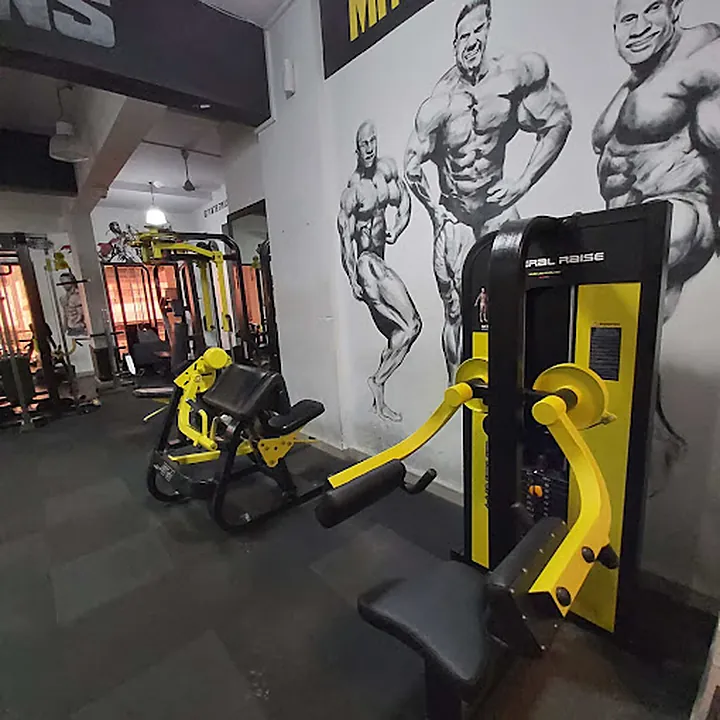
Preacher curl bench and pin-loaded arm machines in the machine zone at SPARTANS gym

How your arms work

Your arms help in almost every lift you do at the gym and in most jobs at home. The biceps and the brachialis bend the elbow when you pick up a bucket of water or a sleeping child. The triceps straighten it when you push yourself up from the floor or swing a bag onto the rack in the local train. The forearms hold on through all of it. This page covers eight dependable arm exercises, what each one does for your body and how to do it well.

Two honest points before you start. The triceps is a bigger muscle than the biceps, so arm size comes as much from pushdowns and close-grip presses as from curls. And arm training will not remove fat from the back of the arm by itself; that layer goes down only with overall fat loss from food, sleep and steady training. Use the Men and Women switch to see a starting plan for each exercise. The movement is the same for everyone. Only the suggested sets, reps, rest and coaching notes change.

The muscles on this page

Biceps Front of the arm

  • Biceps brachii, the front of the upper arm: bends the elbow and turns the palm up
  • Brachialis, under the biceps, just above the elbow: bends the elbow in every grip
  • Brachioradialis, the top of the forearm, thumb side: bends the elbow with a thumbs-up grip

Triceps Back of the arm

  • Triceps brachii, the back of the upper arm: straightens the elbow; the long head also draws the arm down

Helping in close-grip presses

  • Pectorals, the chest: press the arms forward and across the body
  • Front deltoids, the front of the shoulders: lift the arms forward and help every press

Forearms Grip and wrist

  • Wrist flexors, the inner forearm: bend the wrist and squeeze your grip

The face-off

Biceps vs Triceps

Train both sides of the elbow. Each card explains what the exercise does for your body, how to do it, the mistakes to avoid and a starting plan. Every card carries a tempo strip: the seconds to lower, pause and lift on each rep.

For pushdowns and extensions, lower means the return, when the weight comes back and the triceps lengthens.

Plans for
  • Lower
  • Pause
  • Lift

Biceps Front of the arm

Elbow flexors. Everything that bends the elbow: curls with the palm up, thumbs up or locked on a pad.

EZ-Bar Curl

BeginnerEZ bar or straight barbell

Main work
Biceps brachii (the front of the upper arm)
Helpers
BrachialisBrachioradialisWrist flexors

What it does for you. The standing curl is the simplest way to load the biceps with real weight. It strengthens elbow bending and the palm-up turn of the forearm, the action you use to carry a heavy grocery bag in the crook of your arm or lift a child onto your hip. The brachialis underneath works on every rep too, and building it pushes the biceps up and out. Your grip and forearms hold the bar for the whole set. The angled grip of the EZ bar is often kinder on wrists and elbows than a straight bar, so start there if your wrists complain.

Rep tempo
Tempo strip for EZ-Bar Curl3 seconds lowering, 1 second pause, 1 second lifting. About 5 seconds per rep, drawn on a 0 to 6 second scale.3 s1 s1 s

3 seconds lowering, 1 second pause, 1 second lifting. About 5 seconds per rep.

Starting plan, Men

Sets
3–4
Reps
8–12
Rest
90 s

The usual mistake on the gym floor is ego loading: too heavy, hips swinging, half reps. Pick a weight you can curl with a still body, lower it slowly, and stop each set with two clean reps left.

Starting plan, Women

Sets
3
Reps
10–15
Rest
60–75 s

Many women start so light that the biceps never really work. Choose a bar you can curl for the target reps with good form, where the last two reps are honestly hard. It builds strength and shape, not bulk.

How to do it
  1. Stand tall with feet hip-width apart, holding the bar at the angled grips, palms facing forward and arms straight.
  2. Tuck your elbows against your sides and brace your stomach as if someone is about to poke it.
  3. Curl the bar up in a smooth arc until your forearms are close to vertical, elbows staying pinned.
  4. Squeeze briefly at the top, then lower for three seconds until your arms are fully straight.
  5. Pause one second at the bottom so the next rep starts without any swing.
Common mistakes
  • Swinging the hips and leaning back to heave the bar up.
  • Letting the elbows drift forward so the shoulders take over.
  • Stopping halfway down instead of straightening the arms fully.
  • Choosing a weight you can only move with momentum.

Swap it. Easier: seated dumbbell curls on an adjustable bench. Harder: a slower four-second lowering with the same bar.

Dumbbell Hammer Curl

BeginnerA pair of dumbbells

Main work
Brachialis (under the biceps, just above the elbow)Brachioradialis (the top of the forearm, thumb side)
Helpers
Biceps brachiiWrist flexors

What it does for you. With your thumbs pointing up, the biceps sits in a weaker position, so the brachialis and the brachioradialis on top of the forearm do more of the work. That builds thickness at the side of the upper arm and the top of the forearm, and it is the same grip you use to carry a full bucket, a suitcase or shopping bags by their handles. Because the wrist stays neutral, many people with cranky wrists or elbows find hammer curls more comfortable than palm-up curls. Your grip gets trained on every set as well.

Rep tempo
Tempo strip for Dumbbell Hammer Curl2 seconds lowering, no pause, 1 second lifting. About 3 seconds per rep, drawn on a 0 to 6 second scale.2 s1 s

2 seconds lowering, no pause, 1 second lifting. About 3 seconds per rep.

Starting plan, Men

Sets
3
Reps
10–12
Rest
75 s

Hammer curls are where you can go a little heavier than on regular curls, but only while your elbows stay pinned. If you have to rock to finish a rep, the set is over. Alternate arms if your form slips.

Starting plan, Women

Sets
3
Reps
12–15
Rest
60 s

A good choice if your wrists feel strained on palm-up curls. Use a dumbbell that makes the last few reps of each set hard but clean. Stronger forearms help with every bag, bucket and child you carry.

How to do it
  1. Stand with a dumbbell in each hand at your sides, palms facing your thighs and thumbs pointing forward.
  2. Keep your elbows close to your ribs and your shoulders down and back.
  3. Curl one or both dumbbells up, thumbs leading, until the forearm is close to vertical.
  4. Lower for two seconds to straight arms and flow straight into the next rep.
Common mistakes
  • Turning the palms up halfway, which makes it a regular curl again.
  • Rocking the body to start each rep.
  • Letting the dumbbell swing across the body instead of straight up.

Swap it. Easier: one arm at a time, seated. Harder: rope hammer curl on the cable station for steady tension.

Preacher Curl

IntermediatePreacher curl bench with an EZ bar or a dumbbell

Main work
Biceps brachii (the front of the upper arm)Brachialis (under the biceps, just above the elbow)
Helpers
Wrist flexors

What it does for you. The preacher bench locks your upper arm in place, so you cannot swing or shrug the weight up. All of the lift comes from the elbow flexors, and the arm works hardest near the bottom, where the muscle is stretched. Research suggests that training a muscle in its stretched position is a useful signal for growth, and the strict setup teaches control that carries over to every other curl. The bottom is also where the elbow is most exposed, so this exercise rewards a slow lowering and punishes a fast drop. Add it once your basic curl is steady.

Rep tempo
Tempo strip for Preacher Curl4 seconds lowering, 1 second pause, 1 second lifting. About 6 seconds per rep, drawn on a 0 to 6 second scale.4 s1 s1 s

4 seconds lowering, 1 second pause, 1 second lifting. About 6 seconds per rep.

Starting plan, Men

Sets
3
Reps
8–10
Rest
90 s

Use clearly less weight than your standing curl. The stretched bottom position is demanding on the elbow tendons, so earn heavier loads with weeks of slow, controlled lowering rather than adding plates early.

Starting plan, Women

Sets
3
Reps
10–12
Rest
60–75 s

Start with a light EZ bar or a single dumbbell to learn the bottom position. Once the slow four-second lowering feels steady, move up in small steps. A weight that makes the last reps hard is the right weight.

How to do it
  1. Set the seat so your armpits rest snugly on the top edge of the pad.
  2. Hold the EZ bar with an underhand grip, the backs of your upper arms flat on the pad.
  3. Curl the bar up until your forearms are nearly vertical, stopping before the tension leaves the biceps.
  4. Lower for about four seconds until your elbows are almost straight, never letting the bar drop.
  5. Hold one second at the bottom with control, then curl again without bouncing out of the stretch.
Common mistakes
  • Dropping the last few inches fast and jarring the elbow at the bottom.
  • Lifting the elbows off the pad to finish a rep.
  • Setting the seat too low, so you hunch over the pad.

Swap it. Easier: one-arm dumbbell preacher curl. Harder: hold the bar halfway up for two seconds on the last rep.

Triceps Back of the arm

Elbow extensors. Everything that straightens the elbow: pushdowns, overhead work and close-grip pressing.

Cable Triceps Pushdown

BeginnerCable station with a rope or straight bar

Main work
Triceps brachii (the back of the upper arm)

What it does for you. The pushdown trains elbow straightening with steady cable tension from start to finish, mostly through the lateral and medial heads of the triceps, the part that shows at the back and side of the arm. A stronger lockout helps you push yourself up off the floor, shove a heavy almirah into place and finish every press you do for chest and shoulders. It is easy to learn and easy on the shoulders, which makes it a good first triceps exercise. It will not burn fat off the back of the arm by itself, but it builds the muscle underneath.

Rep tempo
Tempo strip for Cable Triceps Pushdown2 seconds lowering, 1 second pause, 1 second lifting. About 4 seconds per rep, drawn on a 0 to 6 second scale.2 s1 s1 s

2 seconds lowering, 1 second pause, 1 second lifting. About 4 seconds per rep.

Starting plan, Men

Sets
3–4
Reps
10–12
Rest
75 s

Keep the stack honest. If you need to hunch over and use your body weight, it is too heavy. A clean one-second squeeze at lockout does more for your triceps than an extra plate on the pin.

Starting plan, Women

Sets
3
Reps
12–15
Rest
60 s

A good exercise for the back of the arms. It builds firm muscle there, while the fat layer above it shrinks only with overall fat loss. Use enough weight that the last two reps take real effort.

How to do it
  1. Set the pulley high and attach a rope or straight bar. Stand close, feet hip-width, with a slight forward lean.
  2. Pin your elbows to your sides with your forearms just above parallel to the floor.
  3. Push down until your arms are fully straight; with a rope, spread the ends apart at the bottom.
  4. Hold the lockout for one second, then let the handle rise for two seconds while your elbows stay still.
Common mistakes
  • Elbows flaring out and drifting forward, turning it into a chest press.
  • Leaning over the stack to force the weight down with body weight.
  • Letting the handle fly back up past chest height.

Swap it. Easier: one-arm pushdown with a single handle. Harder: slow the return to three seconds with the same weight.

Overhead Dumbbell Triceps Extension

IntermediateOne dumbbell and an adjustable bench

Main work
Triceps brachii (the back of the upper arm)

What it does for you. With your arms overhead, the long head of the triceps is stretched, and it is the only part of the triceps that also crosses the shoulder joint. Overhead work trains it in that long position, which pushdowns cannot do, so it rounds out the back of the arm, especially near the armpit. It also asks for decent shoulder mobility and a steady trunk. Done seated on an upright bench, it keeps your lower back out of trouble. If lifting your arms overhead pinches your shoulder, use the cable version facing away from the stack with a lighter load, or leave it out for now.

Rep tempo
Tempo strip for Overhead Dumbbell Triceps Extension3 seconds lowering, 1 second pause, 1 second lifting. About 5 seconds per rep, drawn on a 0 to 6 second scale.3 s1 s1 s

3 seconds lowering, 1 second pause, 1 second lifting. About 5 seconds per rep.

Starting plan, Men

Sets
3
Reps
10–12
Rest
90 s

Leave your ego at the rack on this one. The deep stretch matters more than the load, and elbows and shoulders do not like heavy, jerky reps overhead. Add weight only when every rep reaches full depth.

Starting plan, Women

Sets
3
Reps
12–15
Rest
60–75 s

Start with a dumbbell you can lower all the way behind your head with steady elbows. This is the exercise that trains the long head near the armpit. Early reps may feel wobbly; balance improves with practice.

How to do it
  1. Set the bench upright. Sit with your back against the pad and your feet flat.
  2. Hold one dumbbell with both hands under the top plate, arms straight above your head.
  3. Keeping your elbows pointing forward and fairly close, lower the dumbbell behind your head for three seconds.
  4. Hold one second in the deep stretch, then straighten your arms back overhead.
  5. Keep your ribs down and do not arch your lower back to finish the rep.
Common mistakes
  • Elbows flaring wide so the shoulders take the load.
  • Cutting the depth short and missing the stretch that makes this exercise useful.
  • Arching the lower back away from the pad.
  • Going heavy before your shoulders are comfortable overhead.

Swap it. Easier: cable overhead extension with a rope, facing away from the stack. Harder: one-arm dumbbell version.

Close-Grip Bench Press

IntermediateBarbell and flat bench in a rack, or the Smith machine

Main work
Triceps brachii (the back of the upper arm)
Helpers
PectoralsFront deltoids

What it does for you. This is the heaviest triceps exercise you can do, because the chest and front shoulders help move the bar. A grip about shoulder-width keeps the elbows closer to the body, which shifts more of the work onto the triceps than a regular bench press. That builds real pushing strength for moving a stalled scooter, sliding a heavy box onto a shelf or getting up off the floor, and it helps the lockout of your regular bench press. Keep the grip shoulder-width, not narrow; hands touching each other strains the wrists and adds nothing.

Rep tempo
Tempo strip for Close-Grip Bench Press2 seconds lowering, 1 second pause, 1 second lifting. About 4 seconds per rep, drawn on a 0 to 6 second scale.2 s1 s1 s

2 seconds lowering, 1 second pause, 1 second lifting. About 4 seconds per rep.

Starting plan, Men

Sets
4
Reps
6–10
Rest
2 min

This is the one arm exercise where heavier, lower-rep work makes sense. Keep two good reps in reserve, use a spotter, and treat the triceps as the main driver here rather than chasing chest numbers.

Starting plan, Women

Sets
3
Reps
8–12
Rest
90 s

Many women skip barbell pressing and miss out on real upper-body strength. Start with the empty bar or the Smith machine, groove the path to the lower chest, and add small plates as the reps get easy.

How to do it
  1. Lie on a flat bench with your eyes under the bar, feet flat and shoulder blades pulled together.
  2. Grip the bar with your hands roughly shoulder-width apart, thumbs wrapped around.
  3. Unrack and lower the bar to your lower chest, elbows tucked at roughly forty-five degrees.
  4. Touch lightly, hold one second without bouncing, then press up until your elbows are straight.
  5. Use a spotter, or the Smith machine, whenever the weight is challenging.
Common mistakes
  • Hands too close together, bending the wrists back under the bar.
  • Elbows flaring straight out to the sides.
  • Bouncing the bar off the chest.
  • Training heavy without a spotter.

Swap it. Easier: close-grip push-ups with your hands on a bench. Harder: hold each rep two seconds on the chest.

Lying Triceps Extension (Skull Crusher)

IntermediateEZ bar and a flat bench

Main work
Triceps brachii (the back of the upper arm)

What it does for you. Lying on a bench with your upper arms tilted slightly back, the skull crusher loads all three heads of the triceps, and the long head works harder than in a pushdown because the arm is raised. It builds size on the back of the upper arm and strengthens the lockout you need for every press. The catch is the elbow. Lowering fast or going very heavy here is a common cause of elbow soreness, so the slow three-second lowering and moderate reps matter. The name sounds dramatic, but with control most people find it comfortable.

Rep tempo
Tempo strip for Lying Triceps Extension (Skull Crusher)3 seconds lowering, no pause, 1 second lifting. About 4 seconds per rep, drawn on a 0 to 6 second scale.3 s1 s

3 seconds lowering, no pause, 1 second lifting. About 4 seconds per rep.

Starting plan, Men

Sets
3
Reps
8–12
Rest
90 s

Your elbows will tell you if you rush this one. Use a weight you can lower slowly on every rep, warm up with a light set first, and save heavy low-rep work for the close-grip bench.

Starting plan, Women

Sets
3
Reps
10–15
Rest
60–75 s

Start with an empty EZ bar or a pair of light dumbbells. Lower under control and do not be put off by the name. Once twelve slow reps feel steady, add small plates to the bar.

How to do it
  1. Lie on a flat bench holding the EZ bar over your chest with a narrow overhand grip.
  2. Tilt your arms slightly back toward your head so the triceps stay loaded at the top.
  3. Bend only at the elbows and lower the bar for three seconds toward your forehead or just behind it.
  4. Straighten your arms back to the start without letting the elbows flare out.
  5. Ask a trainer on the floor to hand you the bar once the weight gets heavier.
Common mistakes
  • Dropping the bar fast toward the face.
  • Elbows flaring wide, turning it into a press.
  • Moving the shoulders so the upper arm swings back and forth.

Swap it. Easier: dumbbell version with palms facing each other. Harder: decline bench version, with a spotter.

Forearms Grip and wrist

The hands hold every bar you lift. A few sets at the end of the session keep your grip ahead of your arms.

Dumbbell Wrist Curl

BeginnerDumbbells and a flat bench

Main work
Wrist flexors (the inner forearm)

What it does for you. Wrist curls train the flexors on the inner forearm, the muscles that bend your wrist and close your hand. A stronger grip makes other lifts easier, since a weak grip often gives out before your back or arms do on rows and deadlifts. It carries over to daily life too: carrying full shopping bags up the stairs, opening a tight jar lid, holding a heavy pressure cooker steady. It is a small exercise with a short range, so a light dumbbell and higher reps suit it. If the inside of your elbow hurts, check with a physiotherapist before loading it.

Rep tempo
Tempo strip for Dumbbell Wrist Curl2 seconds lowering, 1 second pause, 1 second lifting. About 4 seconds per rep, drawn on a 0 to 6 second scale.2 s1 s1 s

2 seconds lowering, 1 second pause, 1 second lifting. About 4 seconds per rep.

Starting plan, Men

Sets
2–3
Reps
15–20
Rest
60 s

Grip is often the weak link on heavy rows and deadlifts. Do these at the end of an arm or back session, go light enough for the full range, and let the burn tell you when the set is done.

Starting plan, Women

Sets
2–3
Reps
15–20
Rest
45–60 s

Forearm strength makes every pull, carry and bag easier, and it supports your wrists when you press. Pick a light dumbbell, move through the full range and stop when the reps start shrinking.

How to do it
  1. Sit at the end of a flat bench with your forearms on your thighs, palms up, wrists just past the knees.
  2. Hold a light dumbbell in each hand and let your wrists bend back slowly for two seconds.
  3. Curl the wrists up as high as they go, keeping your forearms flat on your thighs.
  4. Squeeze for one second at the top, then lower again under control.
Common mistakes
  • Lifting the forearms off the thighs to get the weight up.
  • Using a weight so heavy that the movement shrinks to a twitch.
  • Rolling the dumbbell down to the fingertips before you have built up to it.

Swap it. Easier: one wrist at a time. Harder: add reverse wrist curls, palms down, for the outer forearm.

At a glance

Rep ranges, side by side

Each line runs from the low to the high end of the suggested reps per set. Heavier, harder exercises such as the close-grip bench sit lower; small joints like the wrist get more reps with a light weight. Hover or tab to a row for sets and rest.

Suggested reps per set, Men
  • Biceps
  • Triceps
  • Forearms
Suggested reps per set by exercise, MenStarting rep range for each arm exercise (Men). EZ-Bar Curl: 8 to 12 reps, 3–4 sets; Dumbbell Hammer Curl: 10 to 12 reps, 3 sets; Preacher Curl: 8 to 10 reps, 3 sets; Cable Triceps Pushdown: 10 to 12 reps, 3–4 sets; Overhead Dumbbell Triceps Extension: 10 to 12 reps, 3 sets; Close-Grip Bench Press: 6 to 10 reps, 4 sets; Lying Triceps Extension (Skull Crusher): 8 to 12 reps, 3 sets; Dumbbell Wrist Curl: 15 to 20 reps, 2–3 sets.05101520reps per setEZ-bar curl8–12Hammer curl10–12Preacher curl8–10Cable pushdown10–12Overhead extension10–12Close-grip bench6–10Skull crusher8–12Wrist curl15–20
Suggested reps per set, Women
  • Biceps
  • Triceps
  • Forearms
Suggested reps per set by exercise, WomenStarting rep range for each arm exercise (Women). EZ-Bar Curl: 10 to 15 reps, 3 sets; Dumbbell Hammer Curl: 12 to 15 reps, 3 sets; Preacher Curl: 10 to 12 reps, 3 sets; Cable Triceps Pushdown: 12 to 15 reps, 3 sets; Overhead Dumbbell Triceps Extension: 12 to 15 reps, 3 sets; Close-Grip Bench Press: 8 to 12 reps, 3 sets; Lying Triceps Extension (Skull Crusher): 10 to 15 reps, 3 sets; Dumbbell Wrist Curl: 15 to 20 reps, 2–3 sets.05101520reps per setEZ-bar curl10–15Hammer curl12–15Preacher curl10–12Cable pushdown12–15Overhead extension12–15Close-grip bench8–12Skull crusher10–15Wrist curl15–20
Arm exercises: tempo in seconds and suggested sets and reps for men and women
ExerciseSideLowerPauseLiftMen: sets x repsWomen: sets x reps
EZ-Bar CurlBiceps3 s1 s1 s3–4 x 8–12, rest 90 s3 x 10–15, rest 60–75 s
Dumbbell Hammer CurlBiceps2 s0 s1 s3 x 10–12, rest 75 s3 x 12–15, rest 60 s
Preacher CurlBiceps4 s1 s1 s3 x 8–10, rest 90 s3 x 10–12, rest 60–75 s
Cable Triceps PushdownTriceps2 s1 s1 s3–4 x 10–12, rest 75 s3 x 12–15, rest 60 s
Overhead Dumbbell Triceps ExtensionTriceps3 s1 s1 s3 x 10–12, rest 90 s3 x 12–15, rest 60–75 s
Close-Grip Bench PressTriceps2 s1 s1 s4 x 6–10, rest 2 min3 x 8–12, rest 90 s
Lying Triceps Extension (Skull Crusher)Triceps3 s0 s1 s3 x 8–12, rest 90 s3 x 10–15, rest 60–75 s
Dumbbell Wrist CurlForearms2 s1 s1 s2–3 x 15–20, rest 60 s2–3 x 15–20, rest 45–60 s

Good to know

Arms questions

How many times a week should I train arms?

Two sessions a week work well for most people. Your arms also work hard on chest, shoulder and back days, so you do not need a lot of extra volume. Start with two or three exercises per session, for example one curl and one triceps movement, and add more only when you recover well from week to week.

Will arm exercises make my arms bulky?

For most people, and most women in particular, no. Building large arms takes years of heavy training and plenty of food. What you will notice is firmer, stronger arms and easier daily tasks. The shape you see depends on muscle plus the fat layer over it, and that layer changes only with overall fat loss, not with arm exercises alone.

Can triceps exercises remove the fat at the back of my arms?

Not by themselves. Spot reduction does not happen; your body loses fat from everywhere in its own order. Triceps work builds the muscle underneath, so the arm looks firmer as overall fat comes down. Pair it with sensible eating, daily walking and full-body strength training to see the change you are after.

Biceps or triceps, which should I train more?

Train both, with a little extra pressing work for the triceps if arm size is your goal. The triceps is the bigger muscle, so it shapes more of the upper arm. Balanced training also keeps your elbows comfortable. A simple plan is two biceps and two triceps exercises per arm session, with a forearm exercise at the end.

What does a tempo like 3-1-1 mean?

It is the number of seconds for each part of a rep: three seconds lowering, a one-second pause, then one second lifting. The lowering phase is where most people rush and lose the benefit. Counting a tempo keeps the weight honest, makes every rep the same and gives your elbows and wrists a smoother ride.

Call Directions Timings