Posterior chain

Glutes & Hips Strong hips, steady back, easier stairs

Why train your glutes

The gluteus maximus is the largest muscle in your body, and most of us spend the whole day sitting on it. Long hours at a desk, on the local train or stuck in traffic leave the hips stiff and the glutes switched off, so the lower back and knees end up doing work the hips should be doing. Strong glutes help you climb stairs, stand up from a low chair, lift a gas cylinder off the floor and carry a sleeping child without your back complaining.

This page walks through eight exercises we coach on the SPARTANS floor, from the glute bridge you can learn on day one to the barbell hip thrust and Romanian deadlift. For each one you will read which muscles do the work, what it does for your body, how to set it up, the mistakes we see most and a starting plan. Pick Men or Women to see suggested sets, reps and rest. The movement is the same for everyone; only the starting numbers and coaching notes change.

Infographic

Where the work goes

Each ribbon runs from an exercise to a muscle it trains. A thick ribbon means that muscle is a main mover, a medium one means it assists, and a thin one means it holds you steady.

Trace an exercise
Or a muscle
How 8 glute and hip exercises share the work between 6 muscle groupsGlute Bridge: Gluteus maximus main mover, Hamstrings assists, Core and spinal erectors steadies. Barbell Hip Thrust: Gluteus maximus main mover, Hamstrings assists, Adductors assists, Quadriceps assists, Core and spinal erectors steadies. Cable Pull-Through: Gluteus maximus main mover, Hamstrings main mover, Core and spinal erectors assists. Romanian Deadlift: Gluteus maximus main mover, Hamstrings main mover, Adductors assists, Core and spinal erectors assists. Cable Kickback: Gluteus maximus main mover, Gluteus medius and minimus steadies, Hamstrings assists, Core and spinal erectors steadies. Cable Hip Abduction: Gluteus maximus assists, Gluteus medius and minimus main mover, Core and spinal erectors steadies. Sumo Dumbbell Squat: Gluteus maximus main mover, Adductors main mover, Quadriceps main mover, Core and spinal erectors steadies. Bench Step-Up: Gluteus maximus main mover, Gluteus medius and minimus assists, Hamstrings assists, Quadriceps main mover, Core and spinal erectors steadies.Glute BridgeBeginnerBarbell Hip ThrustIntermediateCable Pull-ThroughBeginnerRomanian DeadliftIntermediateCable KickbackBeginnerCable Hip AbductionBeginnerSumo Dumbbell SquatBeginnerBench Step-UpBeginnerGluteus maximusThe big muscle of your buttockGluteus medius and minimusThe side of your hipHamstringsThe back of your thighAdductorsThe inner thighQuadricepsThe front of your thighCore and spinal erectorsYour abs and the muscles along your spine How 8 glute and hip exercises share the work between 6 muscle groupsGlute Bridge: Gluteus maximus main mover, Hamstrings assists, Core and spinal erectors steadies. Barbell Hip Thrust: Gluteus maximus main mover, Hamstrings assists, Adductors assists, Quadriceps assists, Core and spinal erectors steadies. Cable Pull-Through: Gluteus maximus main mover, Hamstrings main mover, Core and spinal erectors assists. Romanian Deadlift: Gluteus maximus main mover, Hamstrings main mover, Adductors assists, Core and spinal erectors assists. Cable Kickback: Gluteus maximus main mover, Gluteus medius and minimus steadies, Hamstrings assists, Core and spinal erectors steadies. Cable Hip Abduction: Gluteus maximus assists, Gluteus medius and minimus main mover, Core and spinal erectors steadies. Sumo Dumbbell Squat: Gluteus maximus main mover, Adductors main mover, Quadriceps main mover, Core and spinal erectors steadies. Bench Step-Up: Gluteus maximus main mover, Gluteus medius and minimus assists, Hamstrings assists, Quadriceps main mover, Core and spinal erectors steadies.Glute bridgeHip thrustPull-throughRomanian DLKickbackAbductionSumo squatStep-upGlute maxGlute mediusHamstringsAdductorsQuadsCore and back
  • Main mover
  • Assists
  • Steadies

Pick an exercise or a muscle above to trace its ribbons.

Muscles worked by each glute and hip exercise (main mover, assists, steadies)
ExerciseGluteus maximusGluteus medius and minimusHamstringsAdductorsQuadricepsCore and spinal erectors
Glute BridgeMain moverNot a focusAssistsNot a focusNot a focusSteadies
Barbell Hip ThrustMain moverNot a focusAssistsAssistsAssistsSteadies
Cable Pull-ThroughMain moverNot a focusMain moverNot a focusNot a focusAssists
Romanian DeadliftMain moverNot a focusMain moverAssistsNot a focusAssists
Cable KickbackMain moverSteadiesAssistsNot a focusNot a focusSteadies
Cable Hip AbductionAssistsMain moverNot a focusNot a focusNot a focusSteadies
Sumo Dumbbell SquatMain moverNot a focusNot a focusMain moverMain moverSteadies
Bench Step-UpMain moverAssistsAssistsNot a focusMain moverSteadies
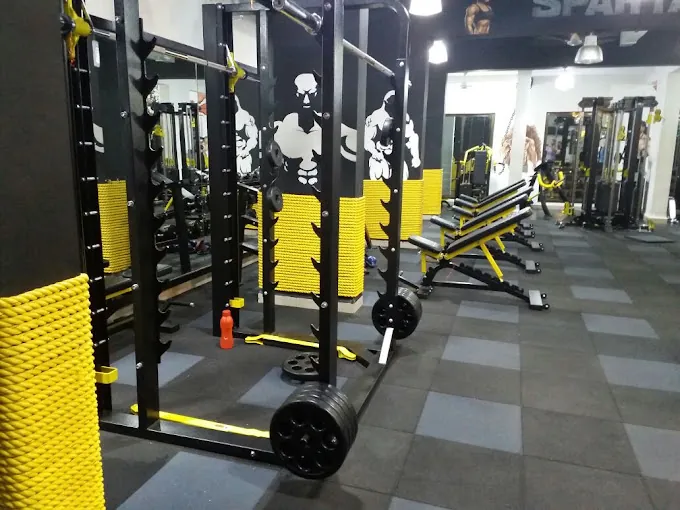
Adjustable benches and barbells on the SPARTANS strength floor, where hip thrusts are set up
The strength floor: benches, bars and plates for hip thrusts

Part 1 of 4

Learn the squeeze

Before heavy weights, teach your glutes to straighten the hip. These two lifts load the glutes most directly with the least strain on your back.

Glute Bridge

Equipment
Bodyweight on a mat, then a dumbbell across the hips
Level
Beginner
Tempo
2 s down, 2 s pause, 1 s up

Where it works

  • Gluteus maximus main mover
  • Hamstrings assists
  • Core and spinal erectors steadies

Your starting plan

For men

Sets
3
Reps
15–20
Rest
60 s

Do not skip this because it looks easy. Use it as a warm-up before heavy leg work, with a slow two-second squeeze, until you clearly feel the glutes doing the lift instead of your back.

For women

Sets
3
Reps
15–20
Rest
45–60 s

A useful first step and safe to start early in training. Once 20 slow reps feel easy, add a dumbbell on your hips so the glutes keep getting stronger rather than simply getting tired.

What it does for your body

The glute bridge teaches you to feel your glutes work, which is harder than it sounds after years of sitting. It strengthens the gluteus maximus, with the hamstrings assisting, through a short range that is gentle on the knees and the back. That makes it a sensible first exercise for beginners, people returning after a long break, and anyone who feels squats only in the thighs. Done before heavier lower-body work, it helps you find the hip drive you will later use in the hip thrust and the deadlift. Without added weight it stops building strength after a few weeks, so keep progressing it.

Ribs down, push through your heels, and own a two-second squeeze at the top.

How to do it

  1. Lie on your back on a mat, knees bent, feet flat and hip-width apart, arms by your sides.
  2. Press your lower back gently towards the floor and brace your stomach as if about to be poked.
  3. Push through your heels and mid-foot to lift your hips until your body is straight from shoulders to knees.
  4. Hold the top for two seconds, squeezing your glutes, then lower slowly.
  5. When 20 slow reps feel easy, rest a dumbbell across your hips and hold it in place with both hands.

Mistakes we see on the floor

  • Pushing the hips so high that the lower back arches.
  • Lifting through the toes, which hands the work to the thighs.
  • Letting the knees fall inwards or flop outwards.

Swap it Harder: single-leg glute bridge, or move on to the barbell hip thrust with your back on a bench.
Barbell Hip Thrust

Equipment
Adjustable bench, barbell and plates
Level
Intermediate
Tempo
2 s down, 1 s pause, 1 s up

Where it works

  • Gluteus maximus main mover
  • Hamstrings assists
  • Quadriceps assists
  • Adductors assists
  • Core and spinal erectors steadies

Your starting plan

For men

Sets
4
Reps
8–10
Rest
2 min

Most men load this too fast and finish every rep with an arched back. Stay at a weight where you can hold a full one-second squeeze at the top, then add plates week by week.

For women

Sets
3–4
Reps
10–12
Rest
90 s

Many women can push this lift heavier than they expect, and it will not make you bulky. Start with an empty bar, own the pause at the top, then add weight while your form stays clean.

What it does for your body

The hip thrust loads the gluteus maximus hardest when the hip is fully straight, the exact position where squats and deadlifts go light. That builds strength for standing tall, pushing a heavy door, getting up off the floor and sprinting. Because your upper back rests on the bench and the bar sits on your hips, the spine carries very little load, so you can train the glutes heavily without much technical skill. Over months it builds and firms the buttock muscles, but it will not shrink fat on your hips by itself; that comes from your overall eating and activity. Strong hips can also take some strain off the lower back when you lift things at home.

Chin tucked, ribs down. Finish the rep with your glutes, not your lower back.

How to do it

  1. Sit on the floor with the lower edge of your shoulder blades against the long side of a bench that cannot slide.
  2. Roll the loaded barbell over your legs to the crease of your hips. Wrap a folded towel around the bar for comfort.
  3. Plant your feet flat, about hip-width, so your shins are vertical at the top. Tuck your chin slightly and brace.
  4. Push through your whole foot and drive the hips up until your body is a straight line from shoulders to knees.
  5. Squeeze the glutes for a second at the top, then lower under control until the plates nearly touch the floor.

Mistakes we see on the floor

  • Arching the lower back at the top instead of finishing the rep with the glutes.
  • Feet too far forward, which shifts the work to the hamstrings and cramps them.
  • Feet too close, which lifts the heels and turns it into a thigh exercise.
  • Dropping the bar and bouncing the plates off the floor between reps.

Swap it Easier: glute bridge on the floor. Harder: single-leg hip thrust with your upper back on the bench.

Part 2 of 4

The hinge

Bending from the hips with a flat back is how you should pick anything up from the floor. Learn it on the cable, then load it with a bar.

Cable Pull-Through

Equipment
Low cable pulley with a rope attachment
Level
Beginner
Tempo
2 s down, 1 s pause, 1 s up

Where it works

  • Gluteus maximus main mover
  • Hamstrings main mover
  • Core and spinal erectors assists

Your starting plan

For men

Sets
3
Reps
12–15
Rest
60–90 s

A useful way to learn the hinge, or to add glute work after heavy deadlifts without loading the spine again. Go heavy enough to feel it, but keep your arms relaxed like hooks.

For women

Sets
3
Reps
12–15
Rest
60 s

A clear way to learn the hinge before the Romanian deadlift. Pause for a moment at the top of each rep and feel both glutes squeeze evenly before you push the hips back again.

What it does for your body

The pull-through is a hip hinge in which the cable pulls you backwards, so your glutes and hamstrings must drive the hips forward against it. It teaches the same movement as the Romanian deadlift with far less load on the spine, which makes it a good step before heavy hinges and a lighter option on days your back feels tired. Your core and spinal erectors work to keep your back flat throughout. Learning to hinge well carries straight into daily life: picking up a bucket, a suitcase or a bag of rice from the floor without rounding your back.

Your arms are just hooks. The hips do the pulling.

How to do it

  1. Clip a rope to the low pulley. Stand facing away from the machine, holding the rope between your legs.
  2. Walk forward two steps until you feel tension, feet a little wider than your hips.
  3. Soften the knees and push the hips back, letting the rope travel back between your thighs.
  4. When you feel a hamstring stretch with a flat back, drive the hips forward to stand tall.
  5. Squeeze the glutes at the top. Do not pull with your arms or lean back.

Mistakes we see on the floor

  • Squatting down instead of pushing the hips back.
  • Pulling the rope with the arms and shoulders.
  • Standing too close to the machine, so there is no tension at the top.

Swap it Harder: move on to the Romanian deadlift with dumbbells or a barbell.

Romanian Deadlift

Equipment
Barbell and plates, or a pair of dumbbells
Level
Intermediate
Tempo
3 s down, 0 s pause, 1 s up

Where it works

  • Hamstrings main mover
  • Gluteus maximus main mover
  • Adductors assists
  • Core and spinal erectors assists

Your starting plan

For men

Sets
4
Reps
6–8
Rest
2–3 min

A strong back tempts you to go heavy too early. Keep the lowering slow, stop where your back stays flat, and add weight only when every rep looks the same as the first.

For women

Sets
3–4
Reps
8–10
Rest
90 s–2 min

Begin with dumbbells or a light bar to learn the hinge, then load it properly; your hamstrings can handle real weight here. If energy dips on some days of your cycle, train by feel.

What it does for your body

The Romanian deadlift trains the hip hinge: bending forward from the hips with a long, neutral spine. It strengthens the hamstrings and glutes while they are stretched under load, which builds muscle well and improves how far you can comfortably fold forward. The adductor magnus on the inner thigh helps, and the muscles along your spine work hard to hold your back still. This is the pattern you use to lift a child, a water can or a heavy box from the floor safely. Done with a rounded back it can irritate the lower back, so learn it light and keep the range honest.

Hips back, bar close, back flat. The stretch in your hamstrings tells you where to stop.

How to do it

  1. Stand tall holding the bar at hip height, hands just outside your thighs, feet hip-width, knees softly bent.
  2. Brace your stomach and set your shoulders back slightly so the bar stays close to your legs.
  3. Push your hips back as if closing a car door behind you, sliding the bar down your thighs.
  4. Lower until you feel a strong stretch in the hamstrings, usually just below the knee, with your back still flat.
  5. Drive the hips forward to stand tall, squeezing the glutes without leaning back at the top.

Mistakes we see on the floor

  • Rounding the lower back to reach the floor; your range ends where your back stays flat.
  • Bending the knees more and more until it becomes a squat.
  • Letting the bar drift away from your legs, which loads the lower back.
  • Leaning back and over-arching at the top.

Swap it Easier: cable pull-through. Harder: single-leg Romanian deadlift holding one dumbbell.

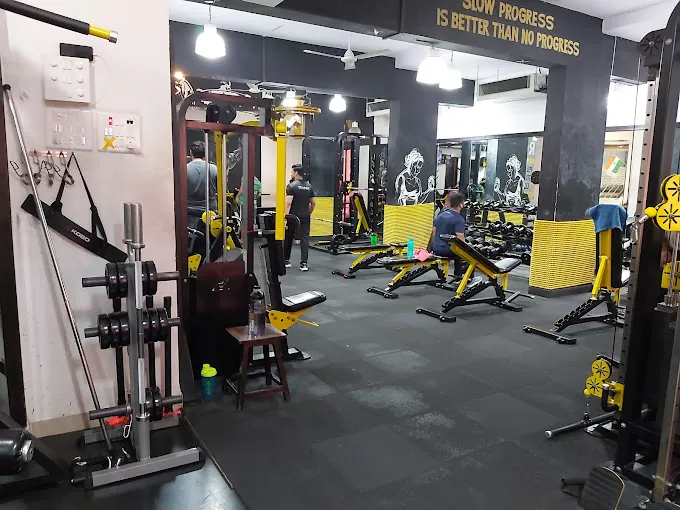
Main training hall at SPARTANS with a cable station, benches and dumbbell racks
The main hall: cable stations for kickbacks, abduction and pull-throughs

Part 3 of 4

Cable finishers

Lighter single-leg work at the cable station for the side and back of the hip, done after your main lift, not instead of it.

Cable Kickback

Equipment
Low cable pulley with an ankle strap
Level
Beginner
Tempo
2 s down, 1 s pause, 1 s up

Where it works

  • Gluteus maximus main mover
  • Hamstrings assists
  • Gluteus medius and minimus steadies
  • Core and spinal erectors steadies

Your starting plan

For men

Sets
3
Reps
12–15 each leg
Rest
60 s

Treat this as finishing work after the hip thrust or Romanian deadlift, not a strength lift. Light weight, a full pause at the back and no swinging. Start with your weaker side and match the reps.

For women

Sets
3–4
Reps
12–15 each leg
Rest
45–60 s

Pick a weight you control on every rep, with a clear squeeze at the back. Kickbacks earn their place alongside a heavy lift like the hip thrust, not as a replacement for it.

What it does for your body

The cable kickback works the gluteus maximus of one leg at a time, with the hamstrings helping. The cable keeps tension on the muscle through the whole rep, so you can train the glutes with a light weight and no load on the spine. That makes it useful after your main lifts to add more glute work, and for bringing up a side that feels weaker than the other. The gluteus medius of your standing leg and your core work to hold you steady. Trained regularly it builds and shapes the glutes, but it cannot remove fat from that one area.

Lead with the heel, keep the hips square, and let the glute move the leg.

How to do it

  1. Fix an ankle strap to the low pulley and buckle it around one ankle; ask the trainer on the floor for the setup.
  2. Face the machine, hold the frame, hinge forward slightly and soften the standing knee.
  3. Brace your stomach and keep both hips pointing squarely at the machine.
  4. Drive the working leg back and slightly up, leading with the heel, until your hip is straight.
  5. Squeeze for a second, then return slowly without letting the weight stack touch down.

Mistakes we see on the floor

  • Swinging the leg and arching the lower back to get it higher.
  • Turning the hip open towards the ceiling, which takes work away from the glute.
  • Using a weight so heavy that the stack slams between reps.

Swap it Easier: kneeling kickback on a mat with bodyweight. Harder: hold each rep for three seconds at the back.

Cable Hip Abduction

Equipment
Low cable pulley with an ankle strap
Level
Beginner
Tempo
2 s down, 1 s pause, 1 s up

Where it works

  • Gluteus medius and minimus main mover
  • Gluteus maximus assists
  • Core and spinal erectors steadies

Your starting plan

For men

Sets
3
Reps
12–15 each leg
Rest
45–60 s

Often skipped by men, and often the reason knees cave on squats. A small range with a strict, upright body works the side of the hip far better than heavy swinging.

For women

Sets
3
Reps
15–20 each leg
Rest
45 s

Keep the movement small and slow and you will feel the side of the hip working. Pair it with a heavy lift such as the hip thrust, since abduction alone builds only limited muscle.

What it does for your body

Hip abduction trains the gluteus medius and minimus at the side of your hip, with the upper fibres of the gluteus maximus helping. These muscles move the leg out to the side, but their bigger daily job is keeping your pelvis level whenever you stand on one leg, which happens with every step you walk, run or climb. Weakness here often shows up as the knee caving inwards on squats and step-ups. Strengthening them can help knee and hip alignment, and it adds a little shape to the upper side of the hips, though it will not change your bone structure.

Toes forward, body tall. The leg goes only as far as your hip can take it without tilting.

How to do it

  1. Buckle the ankle strap on the leg farther from the low pulley and stand side-on to the machine.
  2. Hold the frame for balance, stand tall and brace your stomach.
  3. Lift the strapped leg out to the side, toes pointing forward, leading with the heel.
  4. Stop when you feel the side of your hip tighten, before your body starts to tilt.
  5. Return slowly across the front of the standing foot, finish the set, then switch sides.

Mistakes we see on the floor

  • Leaning the body sideways to lift the leg higher.
  • Turning the toes up to the ceiling, which shifts work to the hip flexors.
  • Letting the weight snap the leg back in.

Swap it Easier: side-lying leg raise on a mat. Harder: add a two-second hold at the top of every rep.

Part 4 of 4

Squat and step

Glutes rarely work alone. These two lifts share the load with your thighs and train the hips the way stairs and floors demand.

Sumo Dumbbell Squat

Equipment
One heavy dumbbell, held by its top end
Level
Beginner
Tempo
3 s down, 1 s pause, 1 s up

Where it works

  • Gluteus maximus main mover
  • Adductors main mover
  • Quadriceps main mover
  • Core and spinal erectors steadies

Your starting plan

For men

Sets
3–4
Reps
10–12
Rest
90 s

Men with tight hips often fight for depth here. Go only as low as you can with a flat back, and use the bottom of each rep to slowly earn more range over the weeks.

For women

Sets
3
Reps
12–15
Rest
60–90 s

A good main lift in your first months. When the heaviest dumbbell you can hold safely feels easy for 15 reps, slow the lowering to four seconds or ask the trainer about a barbell variation.

What it does for your body

The wide stance and turned-out toes put more of the work on your adductors and glutes than a normal squat, while your quadriceps still straighten the knee. Holding the dumbbell in front keeps your chest up and your core switched on. It builds strength for squatting down to the floor, getting up from a low seat and lifting something heavy from between your feet. Many people with stiff hips find it easier to learn than a barbell squat, and it slowly improves hip mobility. If your knees hurt when they push outwards, bring your stance in a little.

Knees follow your toes, chest stays proud, and sit down between your heels.

How to do it

  1. Stand with your feet wider than shoulder-width, toes turned out about 30 to 45 degrees.
  2. Hold one dumbbell vertically by its top end, arms long, in front of your hips.
  3. Brace, then sit straight down between your heels, pushing your knees out in line with your toes.
  4. Go as low as you can with a flat back and your heels on the floor.
  5. Push the floor away and squeeze your glutes to stand tall.

Mistakes we see on the floor

  • Knees caving inwards instead of tracking over the toes.
  • Leaning far forward and turning it into a back exercise.
  • A stance so wide that your heels lift or your knees ache.

Swap it Easier: squat down to touch a bench behind you. Harder: pause for two seconds at the bottom of every rep.

Bench Step-Up

Equipment
Flat bench and a pair of dumbbells
Level
Beginner
Tempo
3 s down, 0 s pause, 1 s up

Where it works

  • Quadriceps main mover
  • Gluteus maximus main mover
  • Gluteus medius and minimus assists
  • Hamstrings assists
  • Core and spinal erectors steadies

Your starting plan

For men

Sets
3
Reps
8–10 each leg
Rest
90 s

Go heavier only when you can rise with no push from the bottom leg. Most men rush the step down; a slow three-second lowering builds more muscle and is kinder to the knees.

For women

Sets
3
Reps
10–12 each leg
Rest
60–90 s

Start with bodyweight to get the balance right, then hold dumbbells. Lean your chest slightly forward to bring more glute into the step, and keep the knee in line with your toes.

What it does for your body

Step-ups train one leg at a time, so the gluteus maximus and quadriceps of the working leg lift your whole body, while the gluteus medius keeps your pelvis level. That is exactly what climbing stairs, boarding a crowded train or walking up a hill asks of you. Working each side alone shows up, and slowly evens out, differences between your legs. A higher bench puts more work on the glutes; a lower one is easier on the knees. If you have knee pain, start low, and see a physiotherapist if it does not settle.

Push the bench away with the top heel. The back foot is a passenger, not a helper.

How to do it

  1. Stand facing a stable flat bench, a dumbbell in each hand. Pick a height that keeps your knee at or below hip level.
  2. Place your whole working foot on the bench.
  3. Lean slightly forward and push through the heel of the top foot to stand up on the bench.
  4. Do not push off with the bottom foot; let it come up lightly beside the other.
  5. Lower yourself slowly with the top leg in control, and finish all reps on one side before switching.

Mistakes we see on the floor

  • Bouncing off the back foot so the top leg does little work.
  • Letting the knee cave inwards as you rise.
  • Choosing a bench so high that you must round your back to get up.
  • Dropping down quickly instead of lowering under control.

Swap it Easier: a lower step or bodyweight only. Harder: a higher bench, or heavier dumbbells held at your sides.

Before you load the bar

Warm up for five to ten minutes and start every exercise lighter than you think you need. If you have knee, back or hip pain, a recent injury or a medical condition, check with a doctor or physiotherapist first, and during pregnancy or after delivery train these only with your doctor's go-ahead.

Good to know

Glutes & Hips questions

Will glute exercises make my hips wider?

Training adds muscle to the glutes, which gives the back of the hips a rounder, firmer shape over months. It does not change your pelvis or bone structure. The size around your hips also depends on body fat, which comes down with your overall eating and activity, not with any single exercise. Spot reduction does not exist, for the hips or anywhere else.

Do I need a hip-thrust machine to train glutes properly?

No. A barbell and a sturdy bench do the same job, and that is how we set up hip thrusts at SPARTANS. The cable stations give you kickbacks, abduction and pull-throughs, and dumbbells cover sumo squats, step-ups and Romanian deadlifts. If a setup feels awkward or unsafe, ask the trainer on the floor to check it with you.

How often should I train glutes in a week?

Two sessions a week with two or three days between them suits most people. Pick one heavy lift, such as the hip thrust or Romanian deadlift, and one or two lighter exercises each time. Glutes recover fairly quickly, but your lower back and hamstrings also need rest from hinging, so do not stack heavy deadlifts on back-to-back days.

My lower back hurts during hip thrusts or deadlifts. What should I do?

Stop the set and lower the weight. Back strain on these lifts usually comes from arching at the top of a hip thrust or rounding during a deadlift. Shorten the range, brace before each rep and ask a trainer to watch a set. If the pain stays after rest, or spreads down your leg, see a doctor or physiotherapist before you continue.

Is glute training different for women and men?

The exercises and the technique are the same. What changes is the starting plan: many women recover a little faster between sets and do well with slightly higher reps, while many men need reminding to slow down and use a full range. Choose Men or Women on this page to see the plan, then adjust it by how your body responds.

Call Directions Timings