Lower body exercises

Legs Strong legs carry you through every day

8 exercises, the muscles each one trains, and a starting plan you can follow from your next session.

See the exercises

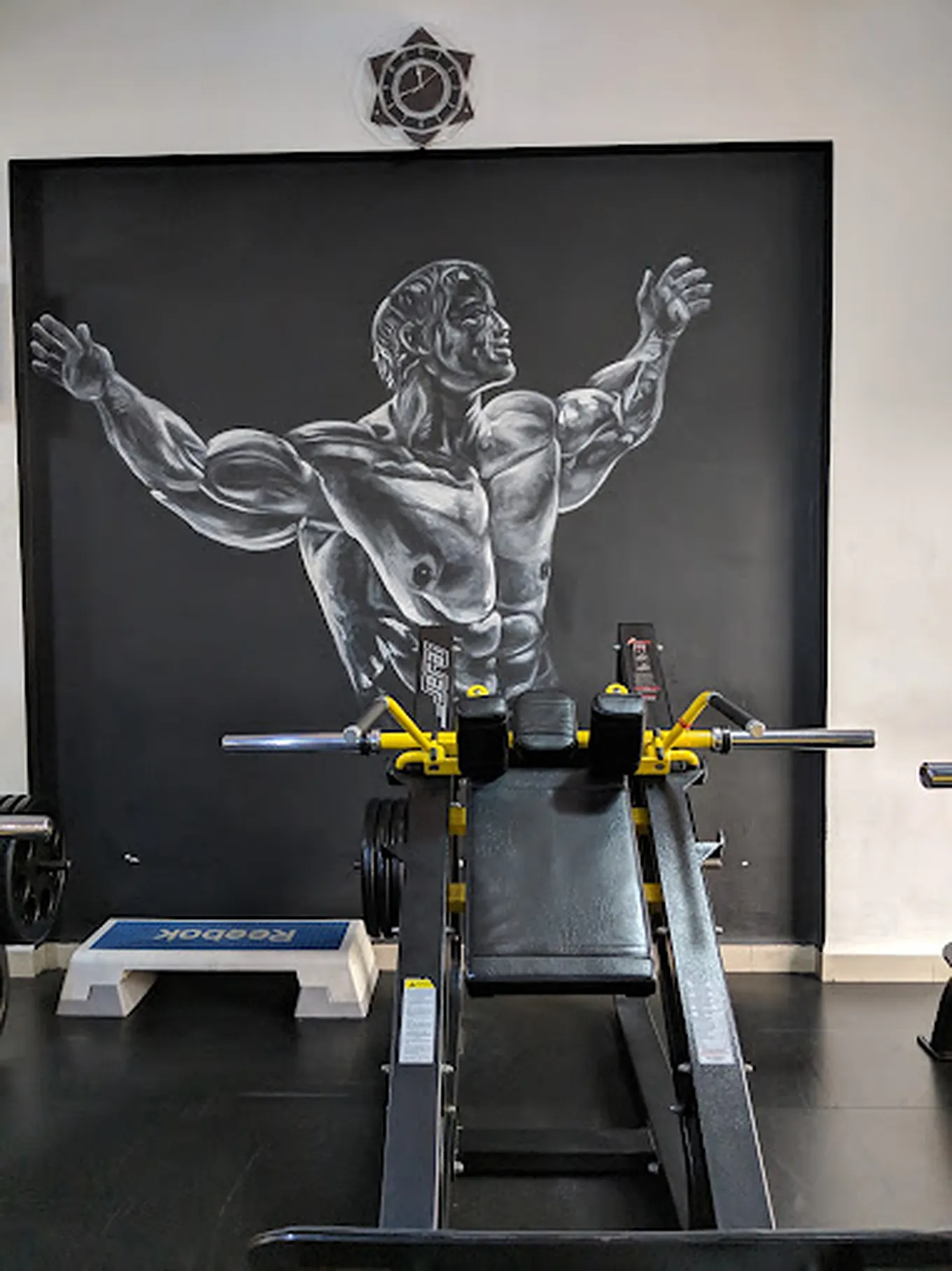
Jerai leg press station on the strength floor at SPARTANS unisex gym

Why train your legs

Your legs hold the biggest muscles in your body. The quadriceps, glutes, hamstrings, adductors and calves do the work every time you climb the station stairs, get up from a low chair, lift a gas cylinder or carry a sleepy child home. Train them well and you feel the difference in daily life, and because these muscles are so large, a hard leg session also asks a lot of your heart and lungs. People who skip leg day are not saving time. They are leaving the strongest part of the body untrained.

This page covers the eight leg exercises we teach most often on the SPARTANS floor, from the barbell back squat to the humble standing calf raise. For each one you will see which muscles do the main work, what it does for your body, how to do it step by step and the mistakes we correct every week. Pick Men or Women to see a sensible starting plan. The movement is the same for everyone; only the starting sets, reps, rest and coaching notes change. As you move through the list, the body map shows which muscles are working.

The muscles in your legs

  • Quadriceps

    Front of the thigh

    Its job: straighten the knee; one head also lifts the thigh.

    Trained in 6 of 8 as a main mover.

  • Glutes

    Your seat muscles, gluteus maximus and medius

    Its job: extend the hip and keep the pelvis level on one leg.

    Trained in 5 of 8 as a main mover.

  • Hamstrings

    Back of the thigh

    Its job: bend the knee and help straighten the hip.

    Trained in 1 of 8 as a main mover, 3 as a helper.

  • Adductors

    Inner thigh

    Its job: pull the thighs together and help you rise from deep squats.

    Trained in 5 as a helper.

  • Calves

    Back of the lower leg, gastrocnemius and soleus

    Its job: point the foot down and push you off the ground.

    Trained in 1 of 8 as a main mover, 5 as a helper.

  • Core and lower back

    Abs, obliques and the muscles along your spine

    Its job: brace the trunk so your spine stays steady under load.

    Trained in 6 as a helper.

Leg workout

8 leg exercises, muscle by muscle

Pick Men or Women for the starting sets, reps and rest. The body map follows the exercise you are reading.

Barbell Back Squat

  • Level Intermediate
  • Equipment Squat rack and barbell
  • Tempo 3 s down, 1 s pause, 1 s up
Muscles worked by the barbell back squatBarbell Back Squat. Main movers: Quadriceps, Glutes. Assisting: Adductors, Core and lower back. Steadying: Hamstrings, Calves.FrontBack
Main movers
Quadriceps, Glutes
Assisting
Adductors, Core and lower back
Steadying
Hamstrings, Calves

What it does for your body

The back squat loads the whole lower body at once. Your quadriceps straighten the knees, your glutes and adductors drive the hips up, and your core and back muscles brace so the bar stays over the middle of your foot. Done regularly it builds strong thighs and hips, and because your spine and legs carry real weight, it can help keep your bones strong as you age. The carry-over is easy to see: getting up off the floor, climbing four floors when the lift is down, picking up a heavy bag of rice. It will not burn fat from your thighs alone, because spot reduction does not happen.

How to do it

  1. Set the bar in the rack at mid-chest height and the safety pins just below the lowest point of your squat.
  2. Step under, rest the bar on your upper back, not your neck, grip just outside your shoulders and walk out two steps.
  3. Feet about shoulder width, toes turned out slightly. Take a big breath into your belly and brace your stomach firmly.
  4. Sit down and back between your heels, knees travelling in line with your toes, until your thighs reach parallel if your mobility allows.
  5. Drive up through the whole foot with your chest and hips rising together. Breathe out near the top and reset before the next rep.

Mistakes we correct

  • Knees caving inwards on the way up; push them out over your toes.
  • Heels lifting off the floor, which shifts the load forward onto the knees.
  • Adding plates before the movement is smooth with an empty bar.
  • Cutting the depth short to lift more weight than you can control.

Your starting plan

For men

Sets
4
Reps
6–8
Rest
2–3 min

The pattern we see most is too much weight too soon and half reps. Pick a load you can take to full depth on every rep, leave two good reps in the tank, and add a small plate only when every set feels smooth.

For women

Sets
3–4
Reps
8–10
Rest
90–120 s

Most women we coach can squat more than they expect. Learn the pattern with an empty bar, then add weight steadily. Heavy squats build strong legs and hips; they do not make you bulky on their own. Rest can often be slightly shorter.

Swap it Easier: goblet squat or a Smith machine squat while you build confidence. Harder: a one-second pause at the bottom.

Goblet Squat

  • Level Beginner
  • Equipment One dumbbell held at the chest
  • Tempo 3 s down, 2 s pause, 1 s up
Muscles worked by the goblet squatGoblet Squat. Main movers: Quadriceps, Glutes. Assisting: Adductors, Core and lower back. Steadying: Calves.FrontBack
Main movers
Quadriceps, Glutes
Assisting
Adductors, Core and lower back
Steadying
Calves

What it does for your body

Holding a dumbbell at your chest pulls your body into an upright squat, which makes this the easiest way to learn how to sit down between your hips. It trains the quadriceps and glutes, and because the weight is in front, your abs and upper back work hard to stop you folding forward. It is gentle on the lower back, teaches depth and balance, and builds the leg strength you use every time you get up from the floor after a puja or a game with the kids. For many people it is the first squat that feels natural.

How to do it

  1. Hold one dumbbell upright against your chest, both hands cupped under the top end, elbows pointing down.
  2. Stand with your feet slightly wider than your hips and your toes turned out a little.
  3. Brace your stomach and sit straight down, letting your elbows travel inside your knees at the bottom.
  4. Pause for a second at the bottom with your chest tall, then stand up by pushing the floor away.

Mistakes we correct

  • Letting the dumbbell drift away from your chest, which rounds the upper back.
  • Rising onto your toes; keep the whole foot planted.
  • Bouncing out of the bottom instead of pausing under control.

Your starting plan

For men

Sets
3
Reps
10–12
Rest
90 s

Use this as your warm-up or your learning tool before the barbell. Men often rush it because it looks easy. Slow the lowering, pause at the bottom, and own every rep before you pick up a heavier dumbbell.

For women

Sets
3
Reps
12–15
Rest
60–75 s

A good first squat if you are new to weights. Choose a dumbbell that makes the last three reps of each set hard, and move up a size once you can pause at the bottom on every rep.

Swap it Easier: squat down to a bench placed behind you. Harder: move on to the barbell back squat.

Leg Press

  • Level Beginner
  • Equipment Jerai plate-loaded leg press
  • Tempo 3 s down, 1 s pause, 1 s up
Muscles worked by the leg pressLeg Press. Main movers: Quadriceps, Glutes. Assisting: Hamstrings, Adductors. Steadying: Core and lower back.FrontBack
Main movers
Quadriceps, Glutes
Assisting
Adductors, Hamstrings
Steadying
Core and lower back

What it does for your body

The leg press lets you push a heavy load with your back supported, so your thighs can work hard without your lower back or balance being the limit. It builds the quadriceps and glutes, with the adductors helping. Place your feet higher on the platform and the glutes and hamstrings do more; place them lower and the quadriceps take over. It is a useful choice on days your back feels tired or while you are still learning to squat. The honest trade-off: your core and balance get far less work than in a squat, so use it alongside free-weight exercises, not in place of them.

How to do it

  1. Sit with your back and hips flat against the pad. Place your feet hip width apart in the middle of the platform.
  2. Push the platform up, release the safety handles and hold the side grips lightly.
  3. Lower the platform under control until your knees reach about ninety degrees, or as far as your hips stay on the seat.
  4. Press back up through your heels and mid-foot, stopping just short of locking your knees.
  5. Lock the safety handles back in place before you take your feet off the platform.

Mistakes we correct

  • Lowering so deep that your hips curl off the seat and your lower back rounds.
  • Snapping the knees straight at the top under a heavy load.
  • Loading every plate in sight and moving the platform a few centimetres.
  • Pushing through the toes, which lifts the heels and strains the knees.

Your starting plan

For men

Sets
4
Reps
10–12
Rest
2 min

The leg press invites ego loading. Pick a weight you can lower slowly through the full range on every rep, keep your hips on the seat, and treat range of motion as part of the weight.

For women

Sets
3–4
Reps
12–15
Rest
90 s

Do not be shy about loading this machine; your legs are stronger than you think. Keep the range full and controlled, and add plates once the last reps of every set feel steady.

Swap it Easier: a lighter load with a slightly shorter range. Harder: single-leg press with a lighter weight.

Leg Extension

  • Level Beginner
  • Equipment Pin-loaded leg extension machine
  • Tempo 3 s down, 1 s pause, 1 s up
Muscles worked by the leg extensionLeg Extension. Main movers: Quadriceps.FrontBack
Main movers
Quadriceps

What it does for your body

The leg extension is the one exercise on this page that trains the quadriceps on their own. With your hip bent, the knee does all the work, and the rectus femoris, the quad muscle that also crosses the hip, gets trained more directly than it does in squats. That makes it a good finisher after squats or the leg press, and a way to keep training your thighs when your back needs a break. Strong quadriceps help you on stairs and slopes. The load passes through the knee joint, so smooth reps and a sensible weight matter, and if your knees hurt, ask a physiotherapist first.

How to do it

  1. Set the back pad so your knees line up with the machine's pivot point and the ankle pad sits just above your shoes.
  2. Hold the side handles and keep your hips pressed down into the seat.
  3. Straighten your knees until your legs are almost fully extended, then squeeze your thighs for a second.
  4. Lower the weight slowly over two to three seconds without letting the plates rest between reps.

Mistakes we correct

  • Swinging the weight up with momentum and letting it drop.
  • Knees not lined up with the pivot point, which strains the joint.
  • Lifting the hips off the seat to finish the rep.

Your starting plan

For men

Sets
3
Reps
12–15
Rest
60–90 s

Treat this as a finisher, not a strength test. Pick a weight you can hold at the top for a second on every rep, and leave the heavy work for squats and the leg press.

For women

Sets
3
Reps
12–15
Rest
60 s

A simple way to strengthen the front of the thigh, which you feel on every staircase. Control the lowering, hold the squeeze at the top, and move up one pin when fifteen clean reps feel easy.

Swap it Easier: a lighter pin and a shorter range. Harder: one leg at a time with a slower lowering.

Walking Lunges

  • Level Intermediate
  • Equipment Dumbbells, or body weight to start
  • Tempo 2 s down, 1 s pause, 1 s up
Muscles worked by the walking lungesWalking Lunges. Main movers: Quadriceps, Glutes. Assisting: Hamstrings, Adductors. Steadying: Calves, Core and lower back.FrontBack
Main movers
Quadriceps, Glutes
Assisting
Adductors, Hamstrings
Steadying
Core and lower back, Calves

What it does for your body

Walking lunges train one leg at a time, so a stronger side cannot hide a weaker one. The front leg's quadriceps and glutes do the main work, the adductors and hamstrings help, and your side glutes and core work hard to keep you balanced as you move forward. It builds strength, balance and coordination together, which is why it carries over so well to climbing stairs, walking uphill and steadying yourself when you trip. Expect sore glutes for a day or two when you start. That is normal and eases within a few sessions.

How to do it

  1. Hold a dumbbell in each hand by your sides, or start with body weight. Stand tall with feet hip width apart.
  2. Take a long step forward and lower your back knee towards the floor until both knees bend to about ninety degrees.
  3. Keep the front knee over the middle of your foot and your torso upright or leaning slightly forward.
  4. Push through the front heel to stand and bring the back foot forward into the next step.
  5. Alternate legs down the floor, counting reps on each leg.

Mistakes we correct

  • Steps that are too short, which push the front knee far forward.
  • Front knee collapsing inwards; keep it in line with your second toe.
  • Banging the back knee on the floor.
  • Rushing the steps and losing balance halfway down the room.

Your starting plan

For men

Sets
3
Reps
10 each leg
Rest
90 s

Grip often gives out before the legs do here. Start with dumbbells you can hold for the whole set, keep your steps long and steady, and go heavier only once balance stops being the problem.

For women

Sets
3
Reps
10–12 each leg
Rest
60–90 s

Lunges train the glutes and thighs together and sharpen your balance. Start with body weight until every step is steady, then pick up dumbbells that make the last few steps a real effort.

Swap it Easier: a static split squat holding a rack for balance. Harder: the Bulgarian split squat.

Bulgarian Split Squat

  • Level Intermediate
  • Equipment Adjustable bench and dumbbells
  • Tempo 3 s down, 1 s pause, 1 s up
Muscles worked by the bulgarian split squatBulgarian Split Squat. Main movers: Quadriceps, Glutes. Assisting: Adductors. Steadying: Calves, Core and lower back.FrontBack
Main movers
Quadriceps, Glutes
Assisting
Adductors
Steadying
Core and lower back, Calves

What it does for your body

With your back foot resting on a bench, almost all of your body weight sits on the front leg. That makes this one of the hardest leg exercises you can do with light dumbbells. The quadriceps and glutes of the front leg work through a deep range, the adductors help, and your side glute and core fight to keep the hips level. It builds single-leg strength, shows up left and right differences, and stretches the hip flexors of the back leg, which sitting long hours tends to tighten. It also lets you train legs hard with far less load on your spine than a barbell squat.

How to do it

  1. Stand about two steps in front of a flat bench and rest the top of your back foot on it.
  2. Hold dumbbells by your sides and keep most of your weight on the front foot.
  3. Lower straight down until your front thigh is about parallel to the floor and the back knee hovers just above it.
  4. Drive up through the front heel and mid-foot. Finish all reps on one leg before you switch.

Mistakes we correct

  • Front foot too close to the bench, so the heel lifts at the bottom.
  • Pushing off the back foot instead of the front leg.
  • Hips twisting to one side as you rise.

Your starting plan

For men

Sets
3
Reps
8–10 each leg
Rest
90 s

This shows up a weaker side quickly. Start with your weaker leg, match the same reps on the other side, and add weight only when both legs move the same way.

For women

Sets
3
Reps
10–12 each leg
Rest
60–90 s

A strong choice for the glutes and thighs without a heavy bar on your back. Start with body weight and one hand on a rack for balance, then add dumbbells as each rep gets steady.

Swap it Easier: back foot on the floor as a static split squat. Harder: a one-second pause at the bottom.

Lying Leg Curl

  • Level Beginner
  • Equipment Pin-loaded leg curl machine, lying or seated
  • Tempo 3 s down, 1 s pause, 1 s up
Muscles worked by the lying leg curlLying Leg Curl. Main movers: Hamstrings. Assisting: Calves.FrontBack
Main movers
Hamstrings
Assisting
Calves

What it does for your body

Squats and presses train the front of the thigh far more than the back. The leg curl fills that gap by working the hamstrings directly through their job of bending the knee, with the gastrocnemius in your calf helping. Stronger hamstrings balance the quadriceps around the knee, which matters when you run, play cricket or change direction quickly. Lying and seated versions both work; the seated one stretches the hamstrings a little more because your hip is bent. Pair it with a hip-hinge exercise such as the Romanian deadlift, covered on our glutes page.

How to do it

  1. Lie face down with your knees just past the edge of the pad and the roller resting just above your heels.
  2. Hold the handles and press your hips gently into the pad.
  3. Curl your heels towards your seat as far as you can without your hips lifting.
  4. Squeeze for a second, then lower slowly until your legs are almost straight.

Mistakes we correct

  • Hips lifting off the pad to swing the weight up.
  • Dropping the weight on the way down instead of lowering it.
  • Cutting the range short so the hamstrings never work from a long position.

Your starting plan

For men

Sets
3
Reps
10–12
Rest
60–90 s

Many men train the front of the thigh hard and forget the back. Give the curl the same effort as your squats, with a slow lowering and a firm squeeze at the top of every rep.

For women

Sets
3
Reps
12–15
Rest
60 s

Strong hamstrings balance the front of the thigh and help in sport, dance and long garba nights. Keep the hips down, lower slowly, and add a pin once fifteen controlled reps feel steady.

Swap it The seated leg curl works the same muscles. Harder: one leg at a time with a slower lowering.

Standing Calf Raise

  • Level Beginner
  • Equipment Smith machine, or a dumbbell and a plate to stand on
  • Tempo 3 s down, 1 s pause, 1 s up
Muscles worked by the standing calf raiseStanding Calf Raise. Main movers: Calves. Steadying: Core and lower back.FrontBack
Main movers
Calves
Steadying
Core and lower back

What it does for your body

Your calves lift your whole body weight with every step, so they are tougher than they look and need full, slow reps to grow. Standing calf raises with straight knees train the gastrocnemius, the larger calf muscle you can see, along with the soleus underneath. Seated versions with bent knees shift more of the work to the soleus. Strong calves help with walking, running, climbing and standing all day at work, and good ankle range helps your squat depth. Calf size depends a lot on genetics, so judge progress by strength and control, not only by the measuring tape.

How to do it

  1. Stand with the balls of your feet on a plate or step, heels hanging off, holding a dumbbell or the Smith machine bar.
  2. Let your heels sink slowly below the step until you feel a stretch in your calves.
  3. Rise as high as you can onto the balls of your feet and hold the top for a second.
  4. Lower back down over two to three seconds. Keep your knees straight but not locked.

Mistakes we correct

  • Bouncing at the bottom instead of pausing in the stretch.
  • Half reps that never reach the full stretch or the full squeeze.
  • Rolling onto the outer edge of the foot as you rise.

Your starting plan

For men

Sets
4
Reps
12–15
Rest
60 s

Leave the ego at the door with calves, because heavy bouncing half reps do very little. Pause at the bottom and top of every rep, and add weight only while the full range stays clean.

For women

Sets
3
Reps
15–20
Rest
45–60 s

Calves respond to steady, full-range work. Start with body weight on a plate and one hand on a rack for balance, then hold a dumbbell once twenty slow reps feel easy.

Swap it Easier: both hands on a rack for balance. Harder: single-leg calf raise holding a dumbbell.

See the body map as a table
Which muscles each leg exercise trains: main mover, assists, steadies or not worked
ExerciseQuadricepsGlutesHamstringsAdductorsCalvesCore and lower back
Barbell Back SquatMain moverMain moverSteadiesAssistsSteadiesAssists
Goblet SquatMain moverMain moverNot workedAssistsSteadiesAssists
Leg PressMain moverMain moverAssistsAssistsNot workedSteadies
Leg ExtensionMain moverNot workedNot workedNot workedNot workedNot worked
Walking LungesMain moverMain moverAssistsAssistsSteadiesSteadies
Bulgarian Split SquatMain moverMain moverNot workedAssistsSteadiesSteadies
Lying Leg CurlNot workedNot workedMain moverNot workedAssistsNot worked
Standing Calf RaiseNot workedNot workedNot workedNot workedMain moverSteadies

Train legs safely

Warm up for five to ten minutes on a spin bike or treadmill and do a light set of each exercise before your working sets. If you have knee, back or hip pain, a recent injury or a medical condition, check with a doctor or physiotherapist first, and during pregnancy or after delivery train legs only with your doctor's go-ahead.

New to the gym or coming back after a break? Our personal training sessions start with your form, and the weight training programme shows how leg day fits into a full week.

Good to know

Legs questions

How often should I train legs?

Twice a week works well for most people: one heavier day built around squats or the leg press, and one lighter day with lunges, split squats and curls. Beginners can start with one full leg session a week and add the second after a month. Leave at least two days between hard leg sessions so the muscles can recover.

Will squats make my thighs bulky?

Not by themselves. Building very large thighs takes years of heavy training and eating well above your needs, which is what bodybuilders do on purpose. For most people squats make the legs firmer and stronger. How your legs look also depends on overall body fat, which comes down to diet and total activity, not one exercise.

Is the leg press as good as the squat?

They do different jobs. The leg press lets you load the thighs hard with your back supported, which suits beginners, tired backs and high-rep work. The squat trains your core, balance and posture along with your legs. If you can, do both. If squats hurt, the leg press is a sensible choice until a trainer has checked your form.

Are leg extensions bad for the knees?

For most healthy knees, no, as long as you use a sensible weight, smooth and controlled reps, and line your knee up with the machine's pivot. The load does pass through the knee, so if you have knee pain, a recent injury or surgery, ask a physiotherapist before using it, and stop if you feel sharp pain.

Why are my legs so sore after leg day?

That ache a day or two later is called delayed onset muscle soreness, or DOMS. It is common when you start or change exercises, especially lunges and split squats. Easy walking, enough water, sleep and protein help. It fades within a few sessions as your body adapts. Sharp pain in a joint is different and needs a doctor.

Train your legs with us

Walk in during gym hours or call us, and ask the trainer on the floor to watch a few of your squats before you load the bar. We are open Monday to Saturday, 5:30 AM to 10:30 PM.

Call Directions Timings