
Upper body push

Chest exercises Press with control, build a stronger chest

  • 7 exercises with step-by-step form
  • 7 muscle groups mapped
  • 2 starting plans, Men and Women
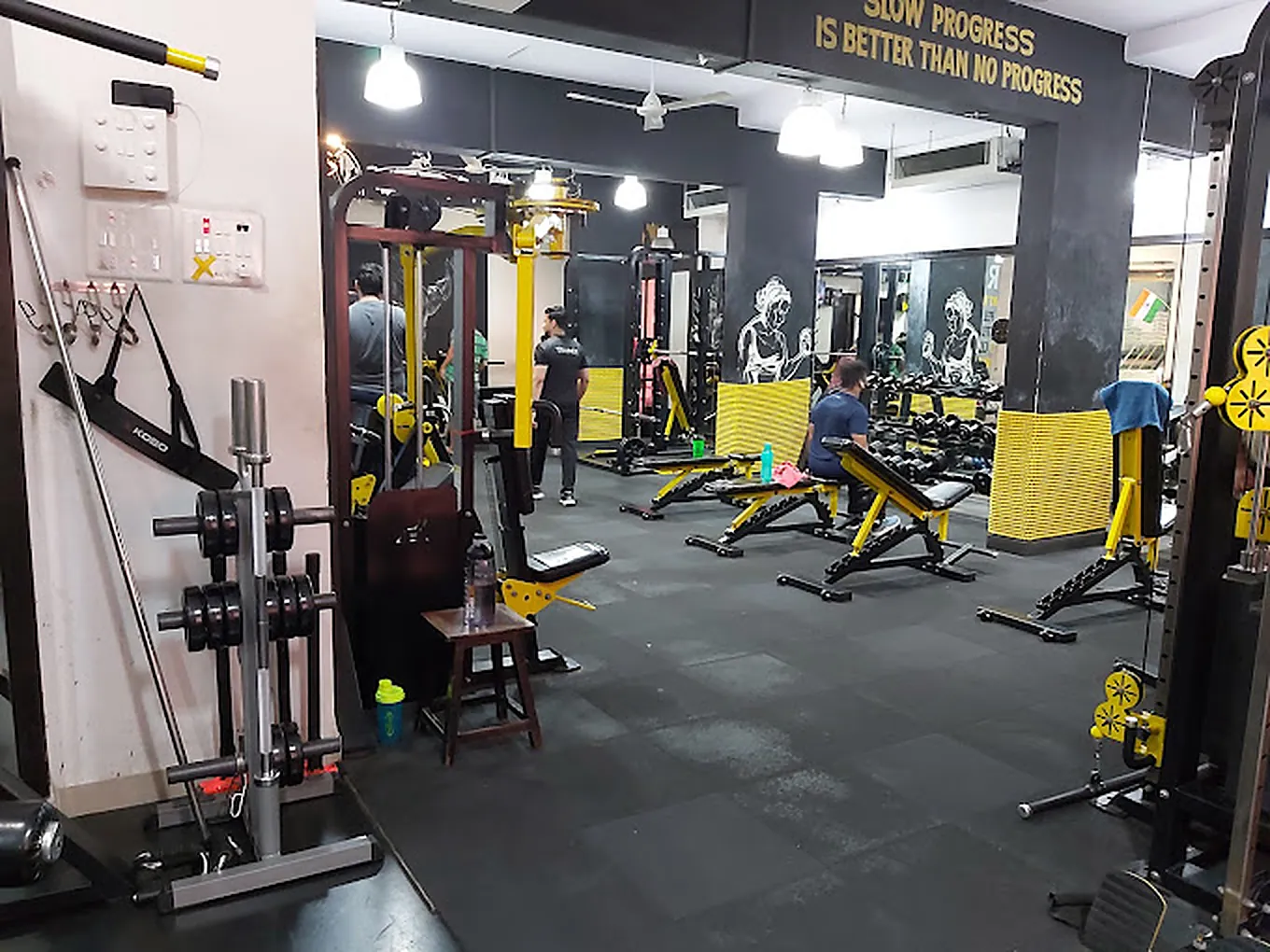
Main training hall at SPARTANS with adjustable benches and dumbbell racks used for chest presses and flyes

How your chest works

Your chest is mostly one big fan-shaped muscle, the pectoralis major, which runs from the collarbone and breastbone to the top of the arm. Its upper fibres lift the arm forward and up, while the middle and lower fibres push the arm forward and pull it across and down. A few helpers join in on every press: the front of the shoulder, the triceps at the back of the arm and the serratus along the ribs. Train them well and pushing, carrying and getting up off the floor all get easier.

This page covers seven chest exercises we use on the SPARTANS floor, from push-ups you can do anywhere to presses on the Smith machine and fly work on the cables and pec deck. Each one shows which part of the chest it works, how to do it, the mistakes we see most and a starting plan. Pick Men or Women for the plan that fits you. The movement is the same for everyone; only the starting numbers and the coaching notes change.

The muscles on this page

  1. Upper chestPectoralis major, clavicular head, upper chest, just below the collarboneLifts the arm forward and up across the body
  2. Mid chestPectoralis major, sternal head, the big middle part of the chestPushes the arms forward and pulls them across the body
  3. Lower chestPectoralis major, lower sternal and abdominal fibres, the lower edge of the chestPulls the arm down and forward, as in a dip
  4. TricepsTriceps brachii, back of the upper armStraightens the elbow to finish every press
  5. CoreRectus abdominis and obliques, front and sides of your stomachKeeps the body rigid like a plank
  6. SerratusSerratus anterior, side of the ribs, under the armpitSlides the shoulder blade forward around the ribcage
  7. Front deltsAnterior deltoid, front of the shoulderRaises the arm forward and helps every press

Muscle map

Which part each exercise works

Each spider chart shows how hard one exercise works the 7 muscle groups, from 0 at the centre to 3 at the outer ring. A wide shape spreads the work around; a pointed shape focuses it. Hover or tap a point for the detail, or open an exercise below.

  • How to read the charts

    • Coral shape: the exercise
    • Blue outline: flat barbell bench press, for comparison
    • Rings from the centre: 1 steadies or helps a little, 2 helps, 3 main mover

    Bold labels mark the main movers. Each exercise also has its own chart inside its guide below.

  • Flat Barbell Bench Press

    Flat Barbell Bench Press: muscles workedFlat Barbell Bench Press, emphasis by muscle on a 0 to 3 scale: Upper chest 2 (helps); Mid chest 3 (main mover); Lower chest 2 (helps); Triceps 2 (helps); Core 1 (steadies or helps a little); Serratus 0 (little or no work); Front delts 2 (helps).Upper chestMid chestLower chestTricepsCoreSerratusFront delts

    Main work: Mid chest. Its outline is the blue comparison shape.

  • Incline Dumbbell Press

    Incline Dumbbell Press: muscles workedIncline Dumbbell Press, emphasis by muscle on a 0 to 3 scale: Upper chest 3 (main mover); Mid chest 2 (helps); Lower chest 0 (little or no work); Triceps 2 (helps); Core 0 (little or no work); Serratus 0 (little or no work); Front delts 2 (helps). The blue outline shows the flat barbell bench press for comparison.Upper chestMid chestLower chestTricepsCoreSerratusFront delts

    Main work: Upper chest

  • Decline Smith Machine Press

    Decline Smith Machine Press: muscles workedDecline Smith Machine Press, emphasis by muscle on a 0 to 3 scale: Upper chest 0 (little or no work); Mid chest 3 (main mover); Lower chest 3 (main mover); Triceps 2 (helps); Core 0 (little or no work); Serratus 0 (little or no work); Front delts 1 (steadies or helps a little). The blue outline shows the flat barbell bench press for comparison.Upper chestMid chestLower chestTricepsCoreSerratusFront delts

    Main work: Mid chest, Lower chest

  • Cable Crossover

    Cable Crossover: muscles workedCable Crossover, emphasis by muscle on a 0 to 3 scale: Upper chest 1 (steadies or helps a little); Mid chest 3 (main mover); Lower chest 3 (main mover); Triceps 0 (little or no work); Core 1 (steadies or helps a little); Serratus 0 (little or no work); Front delts 2 (helps). The blue outline shows the flat barbell bench press for comparison.Upper chestMid chestLower chestTricepsCoreSerratusFront delts

    Main work: Mid chest, Lower chest

  • Pec Deck (Machine Fly)

    Pec Deck (Machine Fly): muscles workedPec Deck (Machine Fly), emphasis by muscle on a 0 to 3 scale: Upper chest 2 (helps); Mid chest 3 (main mover); Lower chest 2 (helps); Triceps 0 (little or no work); Core 0 (little or no work); Serratus 0 (little or no work); Front delts 1 (steadies or helps a little). The blue outline shows the flat barbell bench press for comparison.Upper chestMid chestLower chestTricepsCoreSerratusFront delts

    Main work: Mid chest

  • Push-Ups

    Push-Ups: muscles workedPush-Ups, emphasis by muscle on a 0 to 3 scale: Upper chest 2 (helps); Mid chest 3 (main mover); Lower chest 1 (steadies or helps a little); Triceps 2 (helps); Core 2 (helps); Serratus 2 (helps); Front delts 2 (helps). The blue outline shows the flat barbell bench press for comparison.Upper chestMid chestLower chestTricepsCoreSerratusFront delts

    Main work: Mid chest

  • Chest Dips

    Chest Dips: muscles workedChest Dips, emphasis by muscle on a 0 to 3 scale: Upper chest 0 (little or no work); Mid chest 2 (helps); Lower chest 3 (main mover); Triceps 3 (main mover); Core 1 (steadies or helps a little); Serratus 0 (little or no work); Front delts 2 (helps). The blue outline shows the flat barbell bench press for comparison.Upper chestMid chestLower chestTricepsCoreSerratusFront delts

    Main work: Lower chest, Triceps

See every level as a table
Muscle emphasis by exercise, 0 = little or no work, 1 = steadies or helps a little, 2 = helps, 3 = main mover
ExerciseUpper chestMid chestLower chestTricepsCoreSerratusFront delts
Flat Barbell Bench Press2322102
Incline Dumbbell Press3202002
Decline Smith Machine Press0332001
Cable Crossover1330102
Pec Deck (Machine Fly)2320001
Push-Ups2312222
Chest Dips0233102

Exercise studio

7 chest exercises, one at a time

Flat Barbell Bench Press

BeginnerBarbell and plates on a flat bench, inside the squat rack with the safety pins set

What it does for your body

The flat bench press trains the whole chest, with the middle of the pectoralis major doing most of the work while the front shoulders and the triceps help drive the bar up. Because you can add weight in small steps over months, it is one of the most reliable ways to build pressing strength and chest muscle. That strength shows up when you push a heavy door, get up off the floor or lift a suitcase onto the loft. Done with the shoulder blades pulled back and a slow descent, it is kind to the shoulders. It will not burn chest fat by itself; that comes from your overall diet and activity.

How to do it

  1. Lie on the bench with your eyes under the bar, feet flat on the floor and the safety pins set just below chest height.
  2. Grip the bar a little wider than shoulder width, squeeze your shoulder blades together and down, and keep a slight natural arch.
  3. Unrack with straight arms, take a breath and brace your stomach before every rep.
  4. Lower the bar under control to the middle of your chest, elbows roughly 45 to 70 degrees from your sides.
  5. Press up and slightly back over your shoulders until the arms are straight, breathing out near the top.

Rep speed 3 seconds down, 1 second pause, 1 second up

Common mistakes

  • Bouncing the bar off the chest instead of lowering it with control to a light touch.
  • Flaring the elbows straight out to the sides, which loads the front of the shoulder.
  • Lifting the hips off the bench to force the last rep up.
  • Going heavy too early, without a spotter or the safety pins in place.

Swap it Easier: Smith machine flat press or dumbbell press. Harder: pause every rep on the chest for one second.

Your starting plan

Men

Sets
4
Reps
6–8
Rest
2–3 min

Many men load the bar before the technique is ready. Pick a weight you can lower in three seconds on every rep, stop each set with two good reps left, and add weight only when all four sets look the same.

Women

Sets
3
Reps
8–12
Rest
90 s–2 min

Do not be wary of the barbell. Pressing heavier with good form builds strength and shape, not bulk. Many women recover a little faster between sets, so rest can be slightly shorter. Stop each set with two good reps left.

Flat Barbell Bench Press: muscles workedFlat Barbell Bench Press, emphasis by muscle on a 0 to 3 scale: Upper chest 2 (helps); Mid chest 3 (main mover); Lower chest 2 (helps); Triceps 2 (helps); Core 1 (steadies or helps a little); Serratus 0 (little or no work); Front delts 2 (helps).Upper chestMid chestLower chestTricepsCoreSerratusFront delts

Main movers

  • Mid chest Pectoralis major, sternal head, the big middle part of the chest

Helpers

  • Upper chest Pectoralis major, clavicular head, upper chest, just below the collarbone
  • Lower chest Pectoralis major, lower sternal and abdominal fibres, the lower edge of the chest
  • Triceps Triceps brachii, back of the upper arm
  • Front delts Anterior deltoid, front of the shoulder

Steady the body

  • Core Rectus abdominis and obliques, front and sides of your stomach

Incline Dumbbell Press

BeginnerAdjustable bench set to about 30 degrees and a pair of dumbbells

What it does for your body

Setting the bench at about 30 degrees moves more of the work to the upper chest, the clavicular head just below the collarbone, which is often the slowest part of the chest to fill out. The front shoulders work harder than on a flat bench and the triceps finish each press. Dumbbells make each arm work on its own, so a stronger side cannot cover for a weaker one, and they let the wrists and shoulders find a natural path. The carry-over is pushing and reaching at shoulder height, like lifting a heavy bag onto the overhead rack in the local train.

How to do it

  1. Set the bench to about 30 degrees. Much steeper and it turns into a shoulder press.
  2. Sit with the dumbbells on your thighs, lie back and kick them up one at a time to your shoulders.
  3. Squeeze the shoulder blades back and down, wrists stacked over elbows, palms forward or turned slightly in.
  4. Lower slowly until the dumbbells sit beside your upper chest and you feel a stretch.
  5. Press up and slightly in, stopping just before the dumbbells touch at the top.

Rep speed 3 seconds down, 1 second pause, 1 second up

Common mistakes

  • Setting the bench too steep, so the shoulders take over from the upper chest.
  • Dropping the dumbbells out to the sides from the top instead of bringing them to the thighs.
  • Letting the wrists bend back under the weight.
  • Cutting the bottom of the range short to lift heavier.

Swap it Easier: incline push-ups with hands on a bench. Harder: incline barbell press inside the squat rack.

Your starting plan

Men

Sets
3–4
Reps
8–10
Rest
90 s–2 min

Men often grab dumbbells that are too heavy and then struggle to get them into position safely. Pick a pair you can kick up smoothly, own the stretch at the bottom, and move up only when every rep is steady.

Women

Sets
3
Reps
10–12
Rest
60–90 s

If getting the dumbbells into place feels awkward, ask someone on the floor to hand them over at first. Many women can press more than they expect here; go up a pair when all 12 reps feel steady.

Incline Dumbbell Press: muscles workedIncline Dumbbell Press, emphasis by muscle on a 0 to 3 scale: Upper chest 3 (main mover); Mid chest 2 (helps); Lower chest 0 (little or no work); Triceps 2 (helps); Core 0 (little or no work); Serratus 0 (little or no work); Front delts 2 (helps). The blue outline shows the flat barbell bench press for comparison.Upper chestMid chestLower chestTricepsCoreSerratusFront delts

Main movers

  • Upper chest Pectoralis major, clavicular head, upper chest, just below the collarbone

Helpers

  • Mid chest Pectoralis major, sternal head, the big middle part of the chest
  • Triceps Triceps brachii, back of the upper arm
  • Front delts Anterior deltoid, front of the shoulder

Decline Smith Machine Press

IntermediateSmith machine with an adjustable bench set to a slight decline

What it does for your body

With your head slightly lower than your hips, the press lines up with the lower fibres of the chest, so the bottom edge of the pectoralis major and the sternal head do most of the work. The front shoulders do less than on a flat or incline press, which some people with touchy shoulders find more comfortable. The Smith machine guides the bar on a fixed track and has safety stops, so you can train close to your limit without a spotter. It does not replace free-weight pressing, because the track does the balancing for you, but it is a solid way to add chest work.

How to do it

  1. Set the bench to a slight decline, about 15 to 20 degrees, so the bar lines up with your lower chest.
  2. Hook your legs under the pad and set the safety stops a little below where the bar touches your chest.
  3. Grip slightly wider than shoulder width, twist the bar to unhook it and brace your stomach.
  4. Lower slowly to the lower part of your chest, keeping the shoulder blades pinned to the bench.
  5. Press straight up along the track, then twist the hooks back onto the nearest slot before letting go.

Rep speed 3 seconds down, 1 second pause, 1 second up

Common mistakes

  • Using a steep decline. A slight angle is enough and far more comfortable.
  • Bringing the bar down to the neck or upper chest instead of the lower chest.
  • Forgetting to set the safety stops before the first rep.
  • Letting go of the bar before the hooks are locked onto a slot.

Swap it No decline setting available? Do a flat Smith machine press, or chest dips if you are ready for them.

Your starting plan

Men

Sets
4
Reps
8–10
Rest
2 min

The fixed track tempts men to pile on plates. Keep the lowering slow, touch the same spot on every rep, and treat this as extra chest work after your main press rather than a max-out lift.

Women

Sets
3
Reps
10–12
Rest
90 s

A sensible pick when you train alone, since the safety stops let you push close to failure without a spotter. Many women end sets too early here; let the last two reps of each set feel properly hard.

Decline Smith Machine Press: muscles workedDecline Smith Machine Press, emphasis by muscle on a 0 to 3 scale: Upper chest 0 (little or no work); Mid chest 3 (main mover); Lower chest 3 (main mover); Triceps 2 (helps); Core 0 (little or no work); Serratus 0 (little or no work); Front delts 1 (steadies or helps a little). The blue outline shows the flat barbell bench press for comparison.Upper chestMid chestLower chestTricepsCoreSerratusFront delts

Main movers

  • Mid chest Pectoralis major, sternal head, the big middle part of the chest
  • Lower chest Pectoralis major, lower sternal and abdominal fibres, the lower edge of the chest

Helpers

  • Triceps Triceps brachii, back of the upper arm

Steady the body

  • Front delts Anterior deltoid, front of the shoulder

Cable Crossover

IntermediateTwo cable pulleys set high, or one cable station worked one arm at a time

What it does for your body

A fly is a hugging movement: the pectoralis major pulls the upper arm across the body while the elbows stay softly bent, so the chest works with very little help from the triceps. With the pulleys high and the hands sweeping down and together, the middle and lower chest do most of the work. Cables keep tension on the muscle through the whole range, including the squeezed end where dumbbell flyes go slack. It adds chest work without heavy loading of the elbows, and trains the arm-across-the-body action you use to hug, hold a box against your chest or shut a heavy almirah door.

How to do it

  1. Set both pulleys high, take a handle in each hand and step forward into a split stance.
  2. Lean slightly forward from the hips, chest up, elbows softly bent and fixed at that angle.
  3. Sweep the hands down and together in a wide arc until they meet in front of your lower chest.
  4. Squeeze for a second, then let the arms open slowly until you feel a stretch across the chest.

Rep speed 3 seconds down, 1 second pause, 2 seconds up

Common mistakes

  • Turning it into a press by bending and straightening the elbows.
  • Letting the arms open far behind the line of the shoulders under heavy load.
  • Using so much weight that the whole body rocks forward to finish each rep.

Swap it Easier: pec deck machine. Harder: low-to-high cable fly for the upper chest, with a two-second squeeze.

Your starting plan

Men

Sets
3
Reps
12–15
Rest
60–90 s

This is a feel exercise, not a strength test. Men often stack the pins and end up pressing the handles. Choose a weight you can hold in the squeeze for a full second on every rep.

Women

Sets
3
Reps
12–15
Rest
60 s

Good for adding chest work without heavy loading of the elbows and wrists. Many women recover quickly between these sets, so a one-minute rest is usually enough. Keep the shoulders down, away from the ears.

Cable Crossover: muscles workedCable Crossover, emphasis by muscle on a 0 to 3 scale: Upper chest 1 (steadies or helps a little); Mid chest 3 (main mover); Lower chest 3 (main mover); Triceps 0 (little or no work); Core 1 (steadies or helps a little); Serratus 0 (little or no work); Front delts 2 (helps). The blue outline shows the flat barbell bench press for comparison.Upper chestMid chestLower chestTricepsCoreSerratusFront delts

Main movers

  • Mid chest Pectoralis major, sternal head, the big middle part of the chest
  • Lower chest Pectoralis major, lower sternal and abdominal fibres, the lower edge of the chest

Helpers

  • Front delts Anterior deltoid, front of the shoulder

Steady the body

  • Upper chest Pectoralis major, clavicular head, upper chest, just below the collarbone
  • Core Rectus abdominis and obliques, front and sides of your stomach

Pec Deck (Machine Fly)

BeginnerPin-loaded pec deck (fly) machine

What it does for your body

The pec deck trains the same hugging action as a cable fly, but the machine fixes the path, so you can concentrate on squeezing the chest without balancing anything. The middle chest works hardest, with the upper and lower fibres joining in. Because the arc is fixed and the pin is quick to change, it suits beginners, people returning after a break and anyone finishing a session with lighter, higher-rep work. It also trains the fully squeezed position that presses do not reach. Set the seat so the handles sit at chest height, or the shoulders end up doing the job.

How to do it

  1. Adjust the seat so the handles or pads line up with the middle of your chest.
  2. Sit tall with your back on the pad, shoulder blades back and elbows slightly bent.
  3. Bring the handles together in front of your chest in a smooth arc and squeeze for a second.
  4. Let them open slowly until your arms are in line with your shoulders, not behind them.

Rep speed 3 seconds down, 1 second pause, 2 seconds up

Common mistakes

  • Seat set too low or too high, so the shoulders do the work.
  • Letting the weight stack crash between reps instead of controlling the return.
  • Pulling the back off the pad and rounding the shoulders forward to finish.

Swap it Harder: cable crossover. Shoulder-friendly option: stop the arms in line with your body on the way back.

Your starting plan

Men

Sets
3
Reps
10–15
Rest
60–90 s

Use it after your presses to finish the chest. Men often rush this one. Take two seconds to bring the handles together and three to open them, and a lighter pin will feel plenty.

Women

Sets
2–3
Reps
12–15
Rest
60 s

A friendly machine for learning how a chest squeeze should feel before you move on to cables and dumbbells. Keep the neck relaxed, and add a pin only when all 15 reps stay smooth.

Pec Deck (Machine Fly): muscles workedPec Deck (Machine Fly), emphasis by muscle on a 0 to 3 scale: Upper chest 2 (helps); Mid chest 3 (main mover); Lower chest 2 (helps); Triceps 0 (little or no work); Core 0 (little or no work); Serratus 0 (little or no work); Front delts 1 (steadies or helps a little). The blue outline shows the flat barbell bench press for comparison.Upper chestMid chestLower chestTricepsCoreSerratusFront delts

Main movers

  • Mid chest Pectoralis major, sternal head, the big middle part of the chest

Helpers

  • Upper chest Pectoralis major, clavicular head, upper chest, just below the collarbone
  • Lower chest Pectoralis major, lower sternal and abdominal fibres, the lower edge of the chest

Steady the body

  • Front delts Anterior deltoid, front of the shoulder

Push-Ups

BeginnerBodyweight, on the floor or with hands on a bench

What it does for your body

A push-up is a moving plank. The chest and triceps press your body away from the floor, the front shoulders assist, and the core and glutes hold you in a straight line from head to heels. Because nothing pins the shoulder blades, the serratus anterior works to push them around the ribcage at the top, which can support healthy shoulder movement. You can do it anywhere, scale it from a wall to a bench to the floor, and it builds the strength you use to get up off the floor. It also tells you honestly how strong you are for your bodyweight.

How to do it

  1. Place your hands slightly wider than your shoulders, fingers forward, and step back into a straight plank.
  2. Squeeze your glutes and stomach so your body moves as one piece from head to heels.
  3. Lower your chest towards the floor with the elbows about 45 degrees from your sides.
  4. Stop when your chest is a fist's height from the floor, then push the floor away.
  5. At the top, push a little further so the upper back rounds slightly, then repeat.

Rep speed 2 seconds down, 1 second pause, 1 second up

Common mistakes

  • Hips sagging towards the floor or piking up towards the ceiling.
  • Half reps where only the head dips down.
  • Elbows flared out wide in a T shape.

Swap it Easier: hands on a bench or the Smith bar. Harder: feet on a bench, or a slow four-second lowering.

Your starting plan

Men

Sets
3
Reps
8–15
Rest
60–90 s

Many men skip push-ups for the bench. Do them with full range and a straight body. Once 20 clean reps come easily, slow the lowering to four seconds or raise your feet on a bench.

Women

Sets
3
Reps
6–12
Rest
60 s

Most beginners, women included, do well starting with hands on a bench or the Smith bar, then lowering it notch by notch. Knee push-ups work too, as long as the body stays straight from head to knees.

Push-Ups: muscles workedPush-Ups, emphasis by muscle on a 0 to 3 scale: Upper chest 2 (helps); Mid chest 3 (main mover); Lower chest 1 (steadies or helps a little); Triceps 2 (helps); Core 2 (helps); Serratus 2 (helps); Front delts 2 (helps). The blue outline shows the flat barbell bench press for comparison.Upper chestMid chestLower chestTricepsCoreSerratusFront delts

Main movers

  • Mid chest Pectoralis major, sternal head, the big middle part of the chest

Helpers

  • Upper chest Pectoralis major, clavicular head, upper chest, just below the collarbone
  • Triceps Triceps brachii, back of the upper arm
  • Core Rectus abdominis and obliques, front and sides of your stomach
  • Serratus Serratus anterior, side of the ribs, under the armpit
  • Front delts Anterior deltoid, front of the shoulder

Steady the body

  • Lower chest Pectoralis major, lower sternal and abdominal fibres, the lower edge of the chest

Chest Dips

AdvancedDip handles on the rack or a dip station; ask the trainer on the floor for the setup

What it does for your body

Leaning forward on the dip handles shifts the work towards the lower chest, while the triceps straighten the elbows and the front shoulders take a lot of load at the bottom. It is a demanding bodyweight exercise that builds the lower edge of the chest and strong triceps, the strength you use to push yourself up from a low seat or out of a swimming pool. The bottom position stretches the front of the shoulder hard, so it is not for everyone. If you have shoulder pain or an old shoulder injury, skip it or ask a trainer first, and go only as low as you can control.

How to do it

  1. Grip the handles, step or jump up to straight arms and press your shoulders down away from your ears.
  2. Lean your chest slightly forward, bend your knees and cross your ankles behind you.
  3. Lower slowly by bending the elbows until your upper arms are about parallel to the floor, or a little above.
  4. Press back up to straight arms without swinging, keeping the forward lean.

Rep speed 3 seconds down, 1 second up

Common mistakes

  • Dropping too deep, so the shoulders roll forward and take the strain.
  • Shrugging the shoulders up to the ears at the bottom.
  • Kicking the legs to swing out of the bottom.
  • Starting bodyweight dips before you can do 15 clean push-ups.

Swap it Easier: slow four-second lowerings or the decline Smith machine press. Harder: hold a one-second pause at the bottom.

Your starting plan

Men

Sets
3
Reps
6–10
Rest
2 min

Once bodyweight dips feel easy, men are tempted to hang plates from a belt. Earn that first with 3 sets of 12 controlled reps and no shoulder discomfort, and never go below a comfortable depth.

Women

Sets
3
Reps
4–8
Rest
90 s

If a full dip is not there yet, that is normal. Start with slow lowerings: step up to straight arms, take four seconds to lower, then step down. Three good sets build the strength over a few weeks.

Chest Dips: muscles workedChest Dips, emphasis by muscle on a 0 to 3 scale: Upper chest 0 (little or no work); Mid chest 2 (helps); Lower chest 3 (main mover); Triceps 3 (main mover); Core 1 (steadies or helps a little); Serratus 0 (little or no work); Front delts 2 (helps). The blue outline shows the flat barbell bench press for comparison.Upper chestMid chestLower chestTricepsCoreSerratusFront delts

Main movers

  • Lower chest Pectoralis major, lower sternal and abdominal fibres, the lower edge of the chest
  • Triceps Triceps brachii, back of the upper arm

Helpers

  • Mid chest Pectoralis major, sternal head, the big middle part of the chest
  • Front delts Anterior deltoid, front of the shoulder

Steady the body

  • Core Rectus abdominis and obliques, front and sides of your stomach

Putting it together

A chest session that works

Warm up first

  1. Five minutes on the treadmill, elliptical or spin bike until you are lightly warm.
  2. Ten slow arm circles each way, then ten wall slides with your back flat on the wall.
  3. Ten to fifteen push-ups with your hands on a bench, slow and smooth.
  4. Two lighter sets of your first press: about half your working weight for ten reps, then about three quarters for five.

Starting out

For your first two months, twice a week. Learn the movements before you chase weight.

Starting out, Men
ExerciseSets x repsRest
Incline Dumbbell Press3–4 x 8–1090 s–2 min
Pec Deck (Machine Fly)3 x 10–1560–90 s
Push-Ups3 x 8–1560–90 s
Starting out, Women
ExerciseSets x repsRest
Incline Dumbbell Press3 x 10–1260–90 s
Pec Deck (Machine Fly)2–3 x 12–1560 s
Push-Ups3 x 6–1260 s

Ready for more

After a few months of steady training, when the bench press setup feels automatic.

Ready for more, Men
ExerciseSets x repsRest
Flat Barbell Bench Press4 x 6–82–3 min
Incline Dumbbell Press3–4 x 8–1090 s–2 min
Cable Crossover3 x 12–1560–90 s
Chest Dips3 x 6–102 min
Ready for more, Women
ExerciseSets x repsRest
Flat Barbell Bench Press3 x 8–1290 s–2 min
Incline Dumbbell Press3 x 10–1260–90 s
Cable Crossover3 x 12–1560 s
Chest Dips3 x 4–890 s

Good to know

Chest questions

How many chest exercises should I do in one session?

Two or three are enough for most people. Start with a press such as the bench, incline dumbbell or Smith machine press, add a fly on the cables or pec deck, and finish with push-ups or dips if your form is still good. Around 10 to 16 hard sets for the chest across the week is a sensible range; beginners can start at the lower end.

Will chest training make women look bulky?

No. Building noticeable muscle takes years of hard training and plenty of food, and women have far less testosterone than men. Chest work strengthens the muscle that sits under the breast tissue, which helps posture and the upper-body strength you need to lift a child, a water can or a gas cylinder. Lift with confidence and keep adding weight gradually.

Can chest exercises reduce chest fat?

Not by themselves. Spot reduction does not work: training a muscle does not burn the fat sitting over it. Chest exercises build the muscle, while fat loss comes from a steady calorie deficit, daily movement and sleep, and it happens across the whole body. If there is a firm, rubbery lump under the nipple, see a doctor, as it may be gland tissue that exercise does not change.

Is the bench press bad for the shoulders?

Not when it is done well. Most shoulder trouble comes from flared elbows, bouncing the bar, dropping too deep with heavy dumbbells or adding sets too quickly. Keep the shoulder blades pinned, the elbows roughly 45 to 70 degrees from your sides and the lowering slow. If pressing still hurts, stop, try a palms-facing dumbbell press and see a physiotherapist if the pain lasts more than a few days.

How often should I train chest?

Twice a week suits most people, with at least two days between sessions, for example Monday and Thursday. Once a week can work if the session is hard enough, but two shorter sessions are easier to recover from and better for learning technique. If you are sore for several days afterwards, the volume was too high, so drop a set next time.

Call Directions Timings